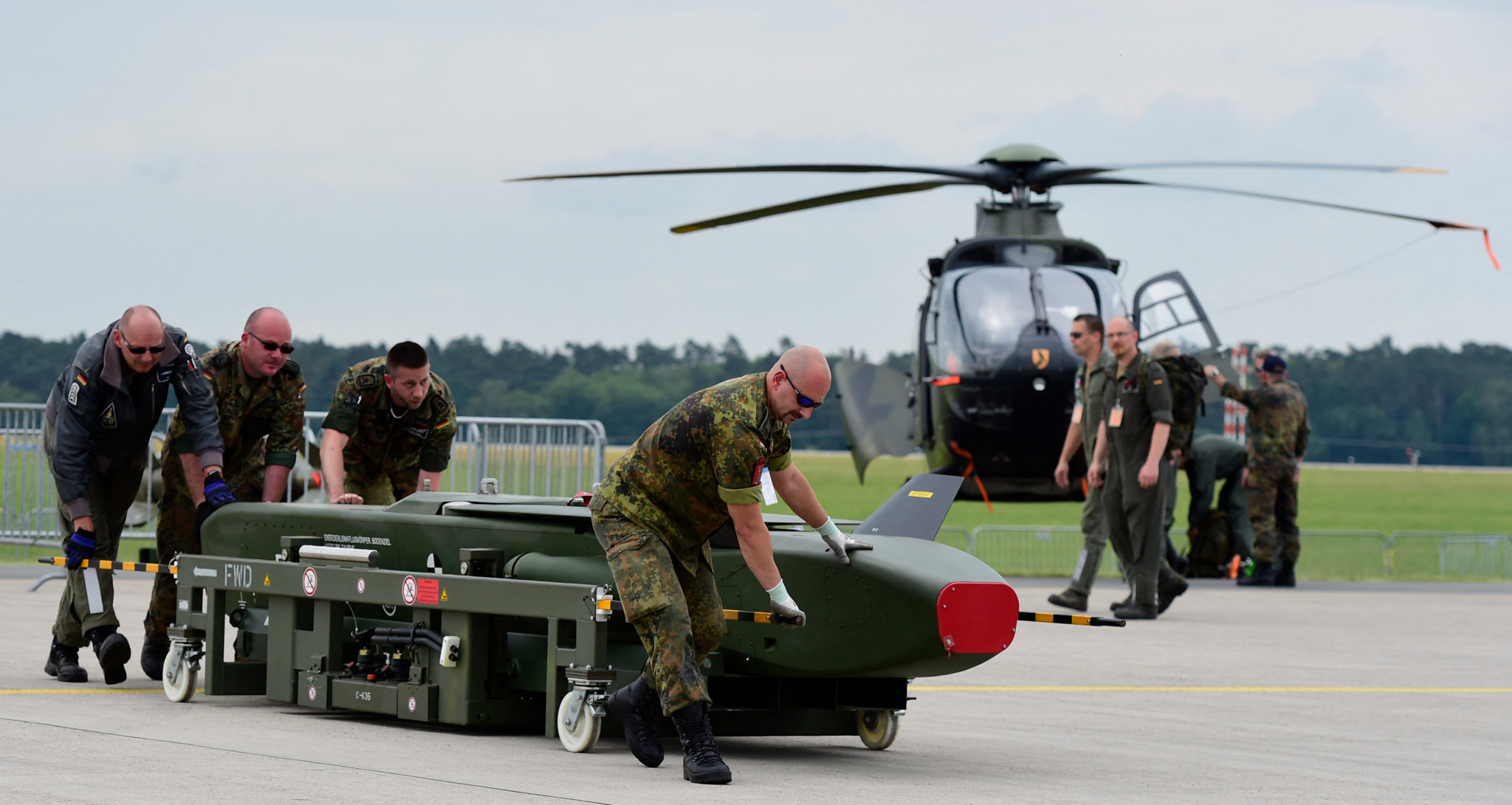
European defense spending is on a rapid ascent, projected to account for more than a fifth of all global defense expenditure in 2025. This significant expansion is largely fueled by substantial investments from Germany, according to a recently published expert report. The figures highlight a major strategic reorientation on the continent amidst evolving geopolitical landscapes.
Europe Rearms: A Response to Mounting Threats
Expert analysis indicates that by 2025, Europe will represent over 21% of global defense spending, a notable increase from 17% in 2022. Spending across the continent saw an almost 13% real-terms increase in both 2024 and 2025. A key driver in this surge is Germany, which accounted for a quarter of this uplift, solidifying its rank as the fourth largest defense spender globally.
This trend is prompted by two primary factors: Europe’s response to Russian aggression and a perceived reduced willingness by the United States to underwrite regional security.
The German Engine: An Unprecedented Financial Commitment
The year 2025 marks a historic threshold for Germany, whose defense budget will surpass the $100 billion mark for the first time, reaching $107 billion, up from $86 billion in 2024. European NATO members are, on average, spending 2.16% of their GDP on defense, a figure reflecting alignment with new security realities.
However, further growth in defense expenditure will hinge on sustained political and public support amidst significant fiscal pressures. While some fiscally constrained allies may struggle to meet NATO’s new target of 3.5% of GDP for „core” defense capabilities by 2035, countries like Germany, which were spending under 2% of GDP as recently as 2024, have already announced plans to reach these targets by 2029.
Global Context: Widespread Growth and Eastern Challenges
Globally, defense spending climbed to $2.63 trillion in 2025, up from $2.48 trillion in 2024. Russia, on the other hand, allocated $186 billion to defense in 2025, equivalent to 7.3% of its GDP, an increase from 6.7% the previous year. Although Russian military expenditure increased by just 3% in real terms, compared to a staggering 56.9% in 2024, this moderation could largely be the effect of financial reforms and efficiency measures within its Ministry of Defense.
The report also highlighted European efforts to boost NATO’s Eastern flank’s defense capabilities, including a focus on short-range air defense systems and the „Baltic Drone Wall” program announced in early 2025.
Middle East and Asia: New Hotspots of Military Investment
The surge in military spending has also extended to the Middle East, where Saudi Arabia remains the region’s largest defense spender and the seventh worldwide, with a budget exceeding $72 billion. However, Israel and Algeria were the main sources of growth in the region. Algeria allocated an impressive 8.8% of its GDP to defense in 2025, the second highest rate globally after Ukraine, while Israel’s spending increased to 6.5% of GDP, up from 5.9% in 2024 and an average of 4.1% in the five years preceding the October 7, 2023, attacks.
Countries in the region also further increased exports and solidified defense development and production capabilities, exemplified by a 13% increase in Israel’s defense export revenues and the significant merger and acquisition and joint venture activity of defense conglomerates like SAMI in Saudi Arabia and EDGE in the UAE.
In Asia, China has demonstrated consistent uplifts in its defense budget over the last decade, outpacing growth in the wider region. China’s share of regional spending has grown to almost 44% in 2025, up from an average of 37% between 2010 and 2020. These trends underscore a new era of geostrategic competition and massive investments in defense capabilities globally.