After Night of Strikes and Claims of Downed Jets, Both Sides Signal Caution Amid International Concern
A Delicate Calm After Violent Flare-Up
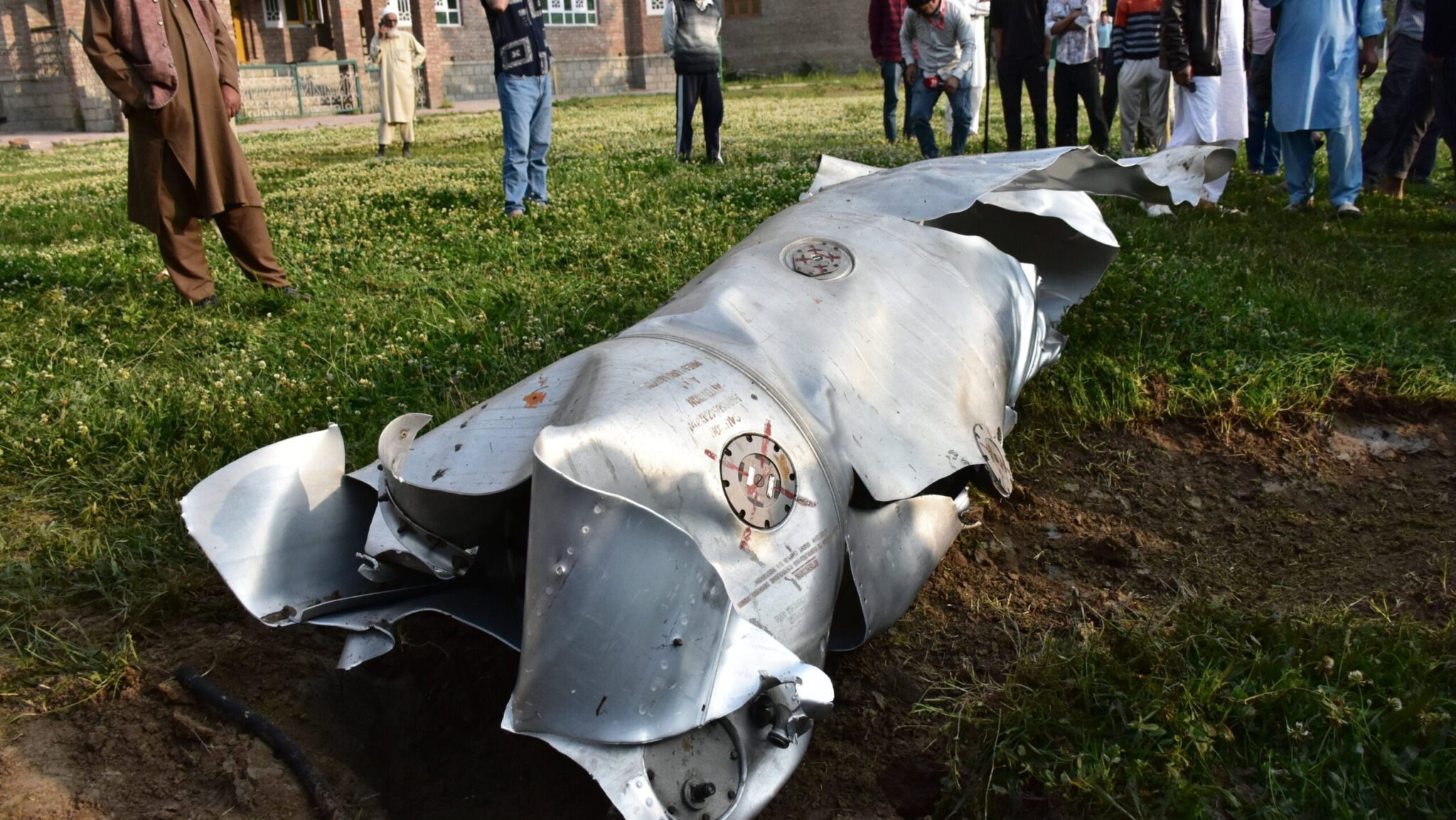
Following a night of intense exchanges, India launched nine strikes against targets in Pakistani-held territory, with claims that Indian jets were shot down—two French-made fighter aircraft, possibly Mirages or Rafales, are believed to have been lost. The escalation was in retaliation for what Delhi described as Islamabad’s support for terrorists responsible for killing 26 civilians in Kashmir on April 22. Pakistan reported downing five Indian aircraft, though India has yet to confirm any losses. Additionally, Pakistan’s military says it has inflicted artillery casualties on civilian populations, killing 15 and injuring 43.
Despite the violence, both India and Pakistan appear to be signaling restraint. Indian Foreign Secretary Vikram Misri characterized the strikes as “measured, non-escalatory, proportionate, and responsible,” trying to reassure Pakistan and international observers that India does not intend to escalate further.
Analysts See a Pattern of Managed Responses
Experts suggest that both nations have extensive experience managing cross-border tensions without spiraling into broader conflict. Harsh Pant of the Observer Research Foundation notes that India’s response has been targeted and precise, avoiding attacks on Pakistani military infrastructure. Similarly, analyst Ian Chong from Singapore emphasizes that, while escalation is always a risk, India and Pakistan are experienced in handling these crises and often rely on outside pressure to prevent uncontrolled escalation.
Kim Heriot-Darragh, a fellow at the University of Melbourne’s India Institute, added that both militaries are familiar with each other’s capabilities, which helps keep unintended escalation at bay. Nonetheless, he warned that “events like this move fast,” and the international community should remain vigilant, as tensions could flare up again before stabilizing.
Regional and Global Reactions: Limited Leverage and Growing Concerns
Regional players are closely monitoring developments. Japan’s Chief Cabinet Secretary Yoshimasa Hayashi expressed concern that the situation could escalate into full-scale conflict, especially if retaliations spread. Japan’s defense minister also announced plans to strengthen defense cooperation with India.
U.S. Secretary of State Marco Rubio emphasized close engagement with both countries, hoping the crisis ends swiftly and urging leadership to pursue peaceful solutions. The potential involvement of China remains a wild card, with Beijing wary of escalating tensions that could threaten regional stability and its own interests.
China’s Position: Call for Restraint, but Support for Pakistan
China’s official line calls for restraint from both countries. Foreign Ministry spokesperson Lin Jian noted that Beijing finds India’s military operations “regrettable” and urged both sides to act in the larger interest of peace, maintaining calm and avoiding actions that could worsen the situation. While China is careful to criticize India, analysts like Andrew Small believe Beijing will support Pakistan broadly to signal alliance but is unlikely to favor significant escalation, especially given Beijing’s own economic and geopolitical challenges.
An Uncertain But Controlled Brinkmanship
While the current situation appears to be managed self-restraint, the regional consequences remain unstable. Tensions between India and Pakistan, both nuclear-armed states, continue to carry the risk of wider conflict. International observers emphasize the importance of diplomatic efforts and restraint to prevent a crisis from spiraling out of control in a volatile, heavily watched region.