Calls for Faster Acquisition Plans as Service Reassesses Helicopter Fleet and Future Warfare Needs
Army Aims to Fast-Track FLRAA to 2028, but Ambiguous Future for Black Hawk
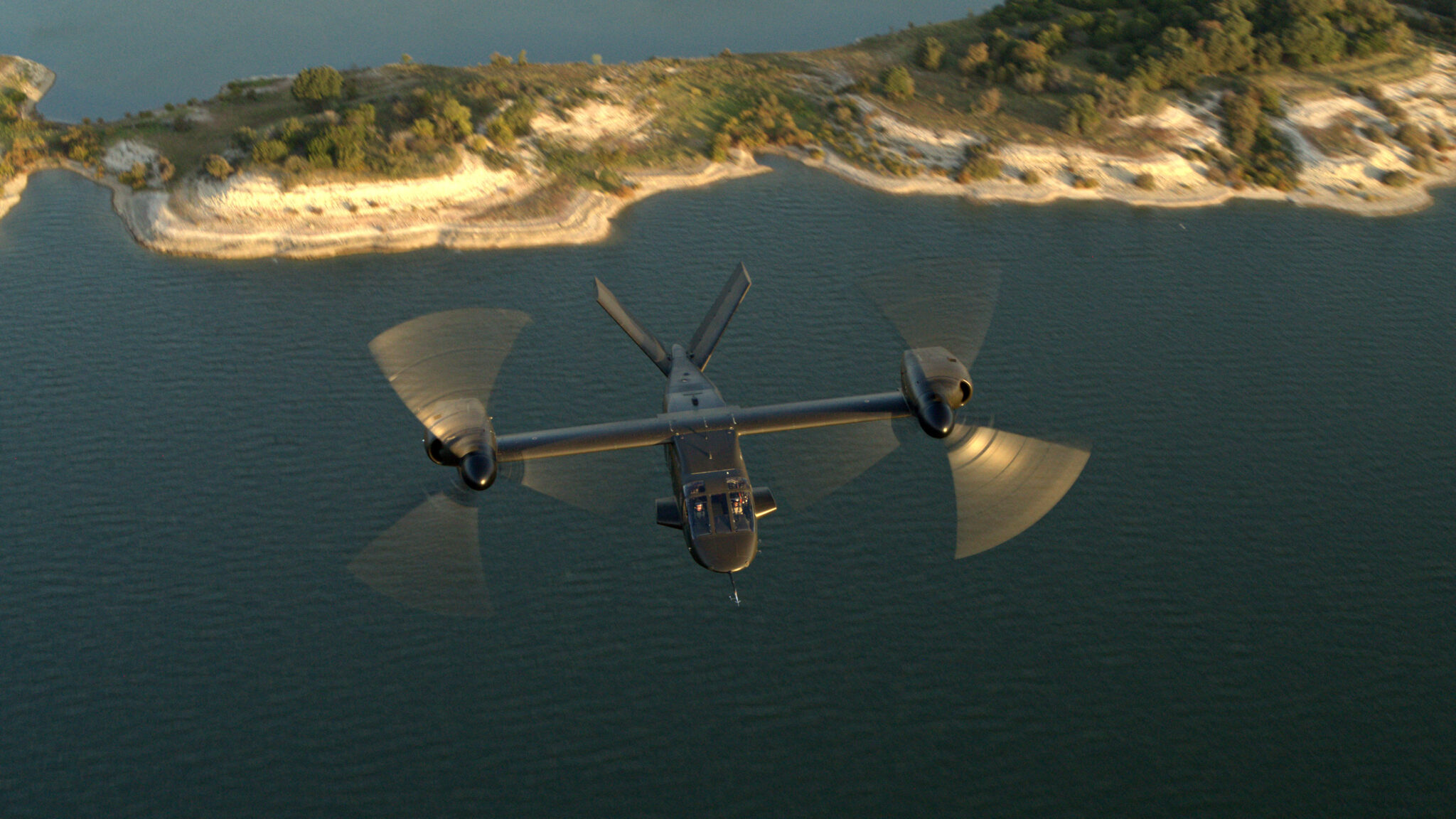
Senior Army officials have enlisted the help of helicopter manufacturer Bell to expedite the development and deployment of the Future Long-Range Assault Aircraft (FLRAA). In testimony before the House Appropriations defense subcommittee today, Army Chief of Staff Gen. Randy George revealed that the service is moving to bring FLRAA—designed to replace the UH-60 Black Hawk—into operational use much sooner than previously planned, targeting the 2028 timeframe rather than 2030.
Army Secretary Daniel Driscoll explained that a recent meeting with Bell tasked the contractor with devising a concrete plan to deliver the aircraft ahead of schedule. “Within weeks, we expect to have a clear plan to present to Congress,” he said. Bell has yet to publicly comment on the specifics of the accelerated timeline.
Defense Leadership Echos Importance of Future Aviation, Downplays Black Hawk Concerns
Despite ongoing service reorganization and budget cuts, top Army officials vouched for the relevance of the future vertical lift. Gen. George emphasized that FLRAA is vital, citing its speed—up to 350 miles per hour—and range—about 350 miles—as significant advantages. He highlighted the aircraft’s optionally manned and autonomous capabilities, which could be crucial for operations in the Indo-Pacific and special operations missions.
“FLRAA is a system the Army needs — especially in the INDOPACOM region,” George said. “It can connect with drones and can operate autonomously when needed.”
However, he remained less definitive in discussing the future of the Sikorsky UH-60 Black Hawk. While the Army selected Bell’s V-280 Valor tiltrotor in 2022 as the replacement for most Black Hawks—a deal potentially worth $70 billion—officials have repeatedly stated that the Black Hawk line is not necessarily ending.
Uncertain Outlook for Black Hawk Procurement and Future Fleet Size
Senior leaders underscored that no multi-year procurement deal for UH-60M helicopters beyond FY26 has been finalized. When Rep. Rosa DeLauro asked whether the Army would proceed with the FY26 procurement, Driscoll responded cautiously: “We’re not able to commit right now because it’s in the best interest of soldiers and their safety to consider all options.”
DeLauro described the shift as “very troubling,” given her district hosts Sikorsky’s production plant. Sikorsky’s spokesperson confirmed the current multi-year contract runs through 2027, with ongoing negotiations, and stressed the company’s commitment to modernization efforts—such as improved reliability, crewed-uncrewed teaming, and advanced reconnaissance capabilities.
Implications for the Future of Army Aviation
While the Army is eager to accelerate the development of FLRAA to meet emerging threats and operational needs, uncertainty remains regarding the long-term future of the Black Hawk fleet. Leaders acknowledge that battlefield dynamics are evolving, potentially requiring fewer Black Hawks and more versatile, modular systems like FLRAA. As budget and strategic priorities shift, the service faces tough decisions about balancing legacy platforms with next-generation aircraft to maintain lethality and readiness.