Shifting Landscape in Air Defense
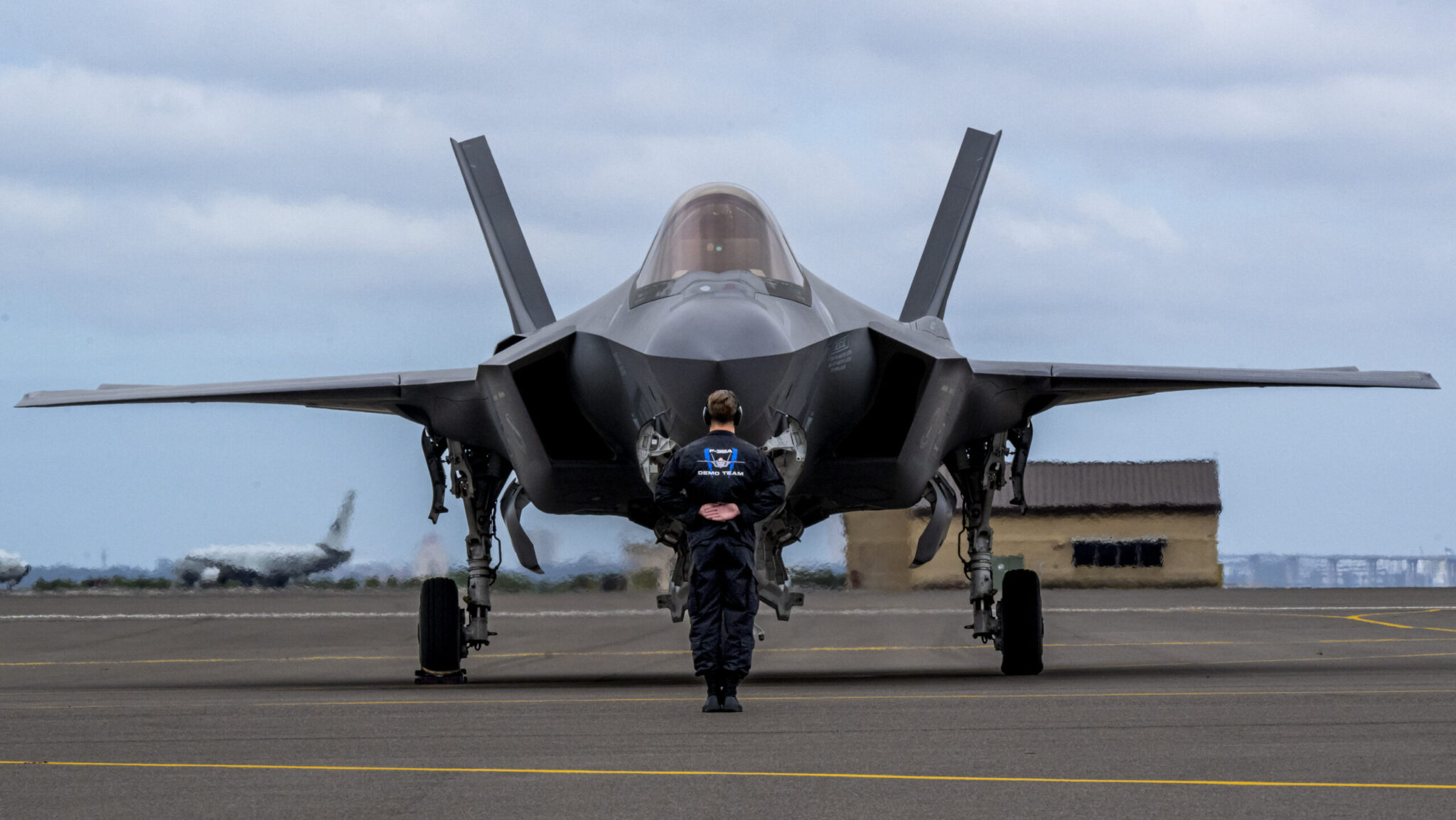
In light of recent turmoil within its fighter program portfolio, Lockheed Martin is under scrutiny following its loss in the Air Force’s F-47 program and its withdrawal from the Navy’s F/A-XX competition. These developments have raised concerns among Wall Street investors, questioning how the company known for producing the US military’s fifth-generation fighters has become sidelined in the sixth-generation fighter race.
On March 21, former President Donald Trump announced that Boeing won the Next Generation Air Dominance (NGAD) program, a decision that surprised analysts who anticipated Lockheed would prevail given its successful track record with the F-22 and F-35. Boeing’s ongoing execution issues added to the shock of this outcome.
Simultaneously, the Navy is set to announce its own sixth-generation fighter program winner, a decision that leaves Lockheed on the outside looking in, as only Boeing and Northrop Grumman remain in contention after Lockheed’s exit from the competition, a move first reported by Breaking Defense.
Wall Street Concerns
Wall Street reactions have been swift, with analysts from Bank of America, Melius, and RBC Capital downgrading Lockheed’s rating to “neutral.” Ron Epstein of Bank of America pointed to the lack of major upcoming competitions, Lockheed’s recent poor earnings, and uncertainties regarding future F-35 sales. He raised concerns about the implications of evolving geopolitical situations on the program, particularly regarding international partners re-evaluating their commitments to the F-35.
Byron Callan of Capital Alpha Partners echoed these concerns, noting a string of failures for Lockheed over the past decade, including significant losses to Northrop on the B-21 bomber and other competitors in various contracts. This trend raises questions about why Lockheed has struggled to secure major military aerospace contracts.
A Response from Lockheed
Despite the setbacks, Lockheed is not withdrawing from future airpower opportunities. A spokesperson asserted that the company remains committed to advancing air dominance capabilities, emphasizing their focus on developing revolutionary systems to meet evolving threats.
While some analysts caution against overreacting to the NGAD loss, noting that Lockheed may still have advanced projects in the pipeline, others highlight potential issues within the company. Observations from TD Cowen analyst Roman Schweizer suggest that Lockheed could have ongoing classified projects that demonstrate its commitment to cutting-edge aviation technology.
The Importance of Sixth-Generation Fighters
The significance of six-generation fighters to Lockheed’s future cannot be overlooked. Richard Aboulafia, an aerospace analyst with AeroDynamic Advisories, argued that the company may have been somewhat complacent, believing it would continue to profit from the F-35 program without adequately preparing for the critical importance of new fighter developments. This perspective casts doubt on whether Lockheed grasped the shifting priorities under the current administration, which favors domestic production and security.
The decision to choose Boeing for the NGAD program was high-profile, with Trump actively involved in the process. Analysts believe the administration’s emphasis on bolstering the advanced aircraft industrial base aims to maintain US air superiority over potential adversaries like China.
Future Outlook for Air Combat Programs
As the Navy considers the F/A-XX program’s winner, it remains unclear when an official announcement will be made. Current sentiment suggests Northrop Grumman is leading the competitive landscape, with their performance on the B-21 project and historical achievements bolstering their standing.
Should Northrop secure the F/A-XX program, Lockheed could find itself relying solely on the F-35, which, while a robust program with significant international orders, could suffer from geopolitical uncertainties and increased competition in the market. The shifting political climates in Canada and Germany have led to concerns that prior commitments to the F-35 may be reconsidered under increasing domestic defense agendas.
Schweizer maintains that geopolitical tensions may not have a lasting impact on the F-35, given its unique capabilities and interoperability with NATO allies. Yet, the potential for Lockheed to engage in future fighter programs remains open, especially as the structure of NGAD could allow for iterative orders rather than a singular selection process.
In conclusion, while Lockheed Martin navigates these recent disappointments, it is clear that adaptation and strategic foresight will be crucial as the defense industry evolves. As analysts suggest, “They couldn’t win everything,” but their next moves will determine their role in the future of air combat operations.