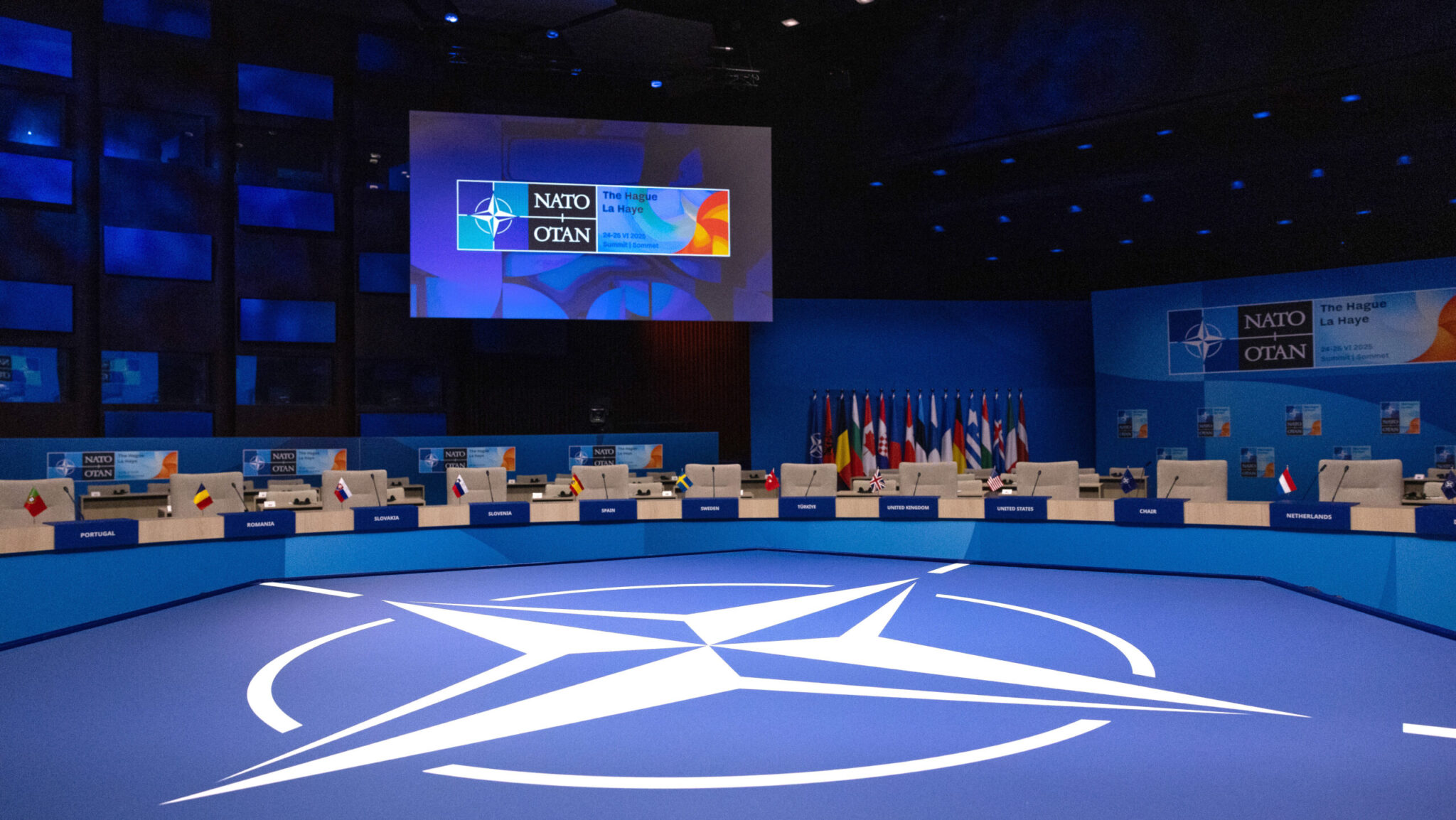
As NATO leaders convened to discuss defense innovation, a surprising realization emerged: the Alliance might be Europe’s most effective, albeit unconventional, model for scaling technology in a volatile global landscape.
From Defense Alliance to Innovation Engine
Originally a defense alliance, NATO has evolved into a transatlantic engine for dual-use innovation, tackling the structural barriers hindering European tech competitiveness.
Europe’s Scaling Challenge: A Missed Opportunity
Despite world-class research, a skilled workforce, and innovative founders, Europe struggles to translate these assets into globally significant tech companies. Worker productivity lags, venture capital remains limited, and European firms are underrepresented among the world’s top tech players.
NATO’s Mission-Driven Playbook: Alignment and Urgency
NATO offers a different approach, driven by mission-focused coordination, aligning capital, procurement, and urgency around shared strategic goals. This is a formula that Europe’s broader innovation agenda has struggled to replicate. Initiatives like the €1 billion NATO Innovation Fund and the Defense Innovation Accelerator for the North Atlantic (DIANA) have created a 28-country platform for dual-use innovation.
Compelling Results: From Unicorns to Rapid AI Deployment
NATO’s approach is yielding impressive results. TEKEVER, a Portuguese firm backed by NATO, has achieved unicorn status. Smaller companies like Astrolight (Lithuania) and ARX Robotics (Germany) are scaling faster within the NATO ecosystem. Notably, NATO rapidly deployed Palantir’s AI targeting platform in just six months, a feat few European governments could match.
Beyond Defense: Benefits for Civilian Sectors
NATO’s focus on secure AI, quantum sensing, and resilient communications directly benefits civilian sectors. Its Digital Transformation Strategy and Rapid Adoption Action Plan could serve as a template for continent-wide tech adoption.
Investors Take Note: NATO as an Investable Space
Firms like Vsquared and OTB Ventures have received backing from the NATO Innovation Fund, signaling that this space is no longer niche but a viable investment opportunity.
Four Steps to Scale What Works: Moving from Pilot to Platform
Europe should take four bold steps to scale NATO’s success, building enduring structures with speed and coordination:
- Expand NATO’s Dual-Use Innovation Pipeline: Create a dedicated transition track to help startups move from prototype to deployment, providing regulatory guidance, technical validation, and connections to both military and civilian customers.
- Replicate NATO’s Procurement Model Across Civilian and National Systems: Adapt NATO’s fast-lane procurement model to sectors like energy, health, and digital infrastructure, using fixed timelines, joint purchasing, and clear demand signals.
- Launch a Strategic Dual-Use Growth Facility: Fund companies in areas like AI, quantum sensing, and resilient comms with a facility backed by NATO-aligned public and private capital.
- Create a NATO–EU Innovation Alignment Forum: Establish a standing body to align investments, test infrastructure, and adoption timelines across civil and defense institutions, reducing duplication and fast-tracking deployment.
A Choice for Europe: Embrace NATO’s Model
Europe faces a choice: persist with fragmented national strategies or embrace NATO’s proven model. The Alliance may have unexpectedly become Europe’s most effective innovation platform.