A Tradition of High-Level Engagement
As a reporter who has attended nearly every Sea Air Space exposition since 2017, the consistent presence of senior leadership from the Navy, Marine Corps, and Coast Guard is a major incentive for my continued participation. This year, however, the noticeable turnover among four-star officers and senior civil servants was evident in the messages presented to the defense industry, marking a contrast with previous years.
Unified Messaging in 2023
At the 2023 Sea Air Space event, then-Navy Secretary Carlos Del Toro and Chief of Naval Operations Adm. Michael Gilday jointly took the stage to announce a new readiness initiative, declaring that the Navy was “ready to scale” its deployment of unmanned systems. Their collaborative approach and willingness to engage with reporters showcased a strong, unified vision for the future of the U.S. Navy.
Shifting Leadership Landscape in 2025
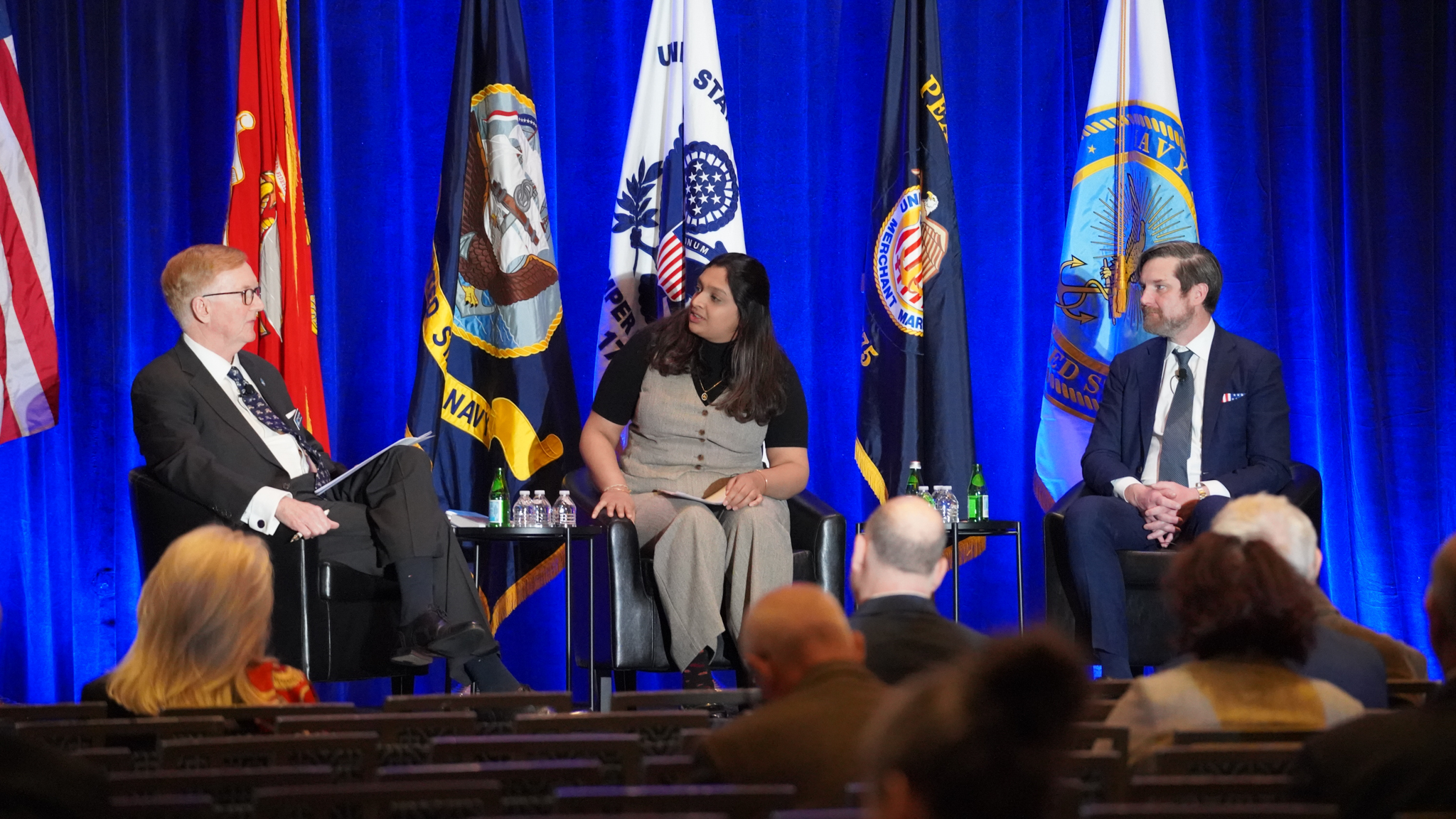
Fast forward to this year, and the tone was markedly different. Acting Chief of Naval Operations Adm. Jim Kilby, who is simultaneously serving as his own vice chief, moderated a panel featuring several three-star type and systems commanders. The discussion centered around the 80 percent combat surge readiness goal introduced by former CNO Adm. Lisa Franchetti, who was dismissed earlier this year along with several other senior officials.
Further complicating the leadership landscape, newly confirmed Navy Secretary John Phelan made his first significant address to the industry on the expo’s final day, hinting at substantial changes in how the Navy will conduct its operations. Unfortunately, the timing of his remarks—delivered on day three instead of at the event’s outset—limited their impact on the overall tone of the conference.
Contrasting Leadership Messaging
The contrast in messaging from Navy leadership between 2023 and 2025 is stark, reflecting broader strategic challenges the military faces during a presidential transition that has seen a turnover of senior officials reminiscent of the replacements seen in civilian roles.
Although the Navy League of the United States, the event’s organizer, has successfully navigated significant challenges—ranging from presidential transitions to a pandemic—this year’s exposition showcased the precarious situation within the Navy amidst such changes.
Absent Engagement Opportunities
The program for the event originally included speakers from the National Security Council scheduled for Wednesday morning; however, they withdrew just hours before the president was expected to sign a significant executive order on shipbuilding. This shift was symptomatic of a broader absence of key leadership engagement.
On the expo floor, while Naval Sea Systems Command (NAVSEA) was present, it lacked the usual briefings on major shipbuilding programs that are critically important to the Navy’s fleet. Meanwhile, Naval Air Systems Command (NAVAIR) had notable leadership participating in panels but was noticeably absent from the floor where they typically provide updates on significant operations.
Additionally, my colleagues at Breaking Defense noted a reduced presence of junior uniformed personnel compared to previous expos, likely a consequence of policy directives aimed at limiting government travel. Industry representatives reported fewer opportunities for one-on-one engagement with Navy officials, which has historically been a hallmark of the event.
Marine Corps Maintains Consistency
In contrast to the Navy’s shifting dynamics, Marine Corps Commandant Gen. Eric Smith was present and actively delivered a keynote speech during the prime-time luncheon. His consistent leadership is particularly significant as the Marine Corps prepares for its major event, Modern Day Marine, which may set the stage for the service to effectively communicate its strategic direction in light of recent transitions.
Conclusion
As Sea Air Space wraps up another year, the evolving leadership landscape in the Navy and broader defense community remains a critical factor in shaping future discourse. The challenges of communicating a cohesive message during a period of significant change underscore the complexities of military leadership and the need for robust dialogue between services and the industry.