Urgent Call for Action
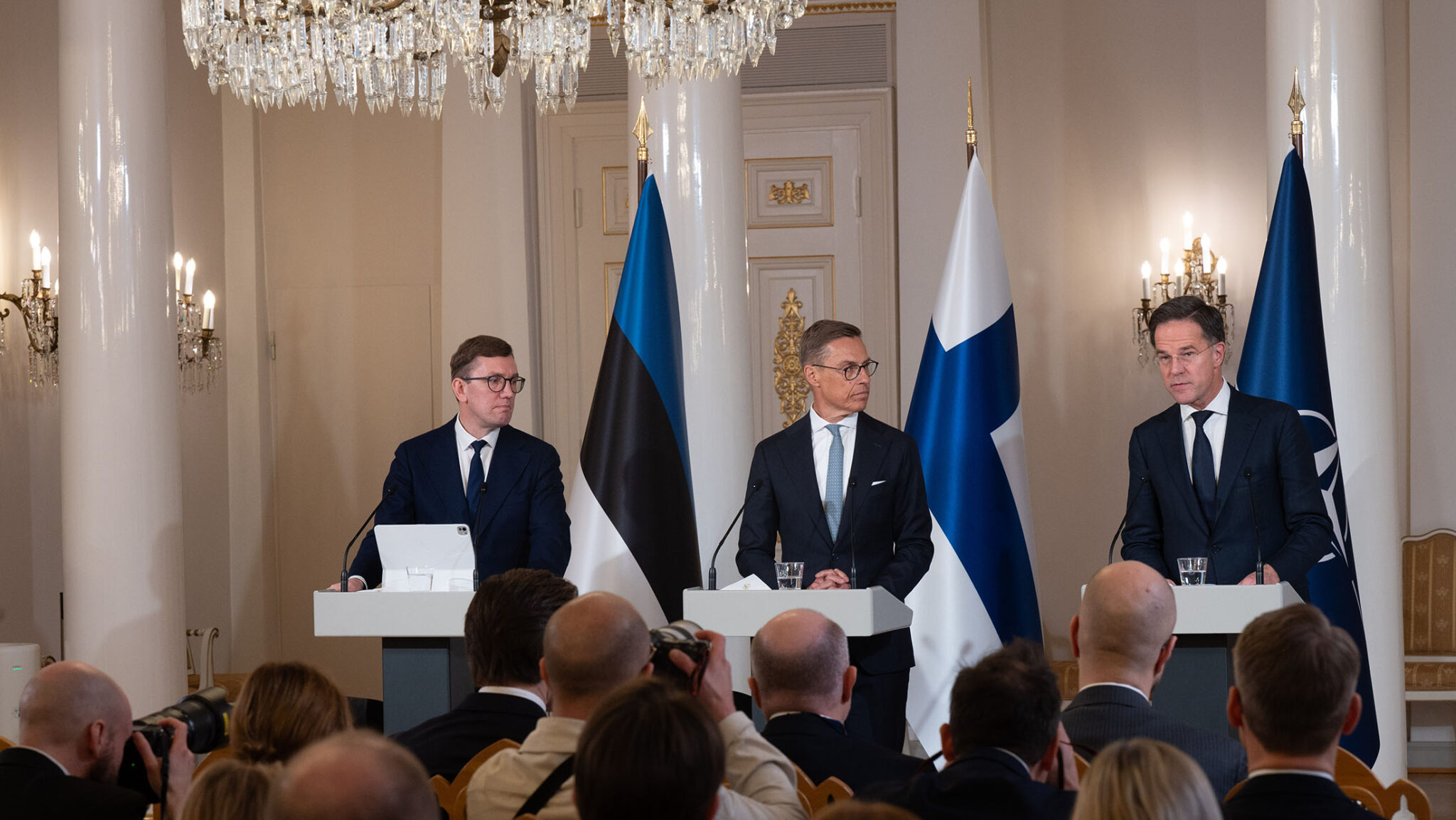
NATO Secretary General Mark Rutte has urged alliance members to swiftly agree on a new defense spending target exceeding the current 2 percent of GDP, stating, “we really have to get this done in the next couple of months.” At the Baltic Sea Summit in Helsinki, Finland, he emphasized the urgency of the situation, proclaiming, “This cannot wait until some summit somewhere.”
The NATO Summit scheduled for June in The Netherlands was initially anticipated to formalize an increase in defense spending. However, Rutte cautioned that without immediate enhancements to spending and weapons production, NATO could face significant challenges, particularly in light of Russia’s substantial military funding. He noted that Moscow is currently producing a comparable number of weapons in three months as NATO does in an entire year.
Concerns Over Global Military Investments
Rutte highlighted that China is also heavily investing in its defense capabilities and is projected to possess 1,000 nuclear warheads by 2030. Although he did not provide a specific figure for the proposed spending increase, his remarks follow calls from President-elect Donald Trump for a more ambitious target of 5 percent, suggesting that such a figure may be a strategic move to negotiate a more attainable compromise with European allies.
Reports indicate that Rutte believes new military capability targets may necessitate commitments of up to 3.7 percent of GDP. However, a lower percentage could be plausible once considering factors such as innovation and joint procurement. Currently, only 23 of the 32 NATO members are expected to meet the 2 percent target in 2024, with Poland projected to spend 4.7 percent, the highest among alliance members.
Concerns Over Commitment Levels
Despite the growing need for increased spending, there is hesitancy among allies to agree on heightened targets. In July of the previous year, Estonia’s Undersecretary for Defence Policy mentioned a “general understanding” that allies were not ready to commit to a 2.5 percent target, leading to a suspension of discussions on the matter at the NATO Summit in Washington to avoid tensions among members.
Changes in Defense Strategy
The anticipated return of Trump is expected to alter the approach towards Ukraine and broader defense policies. A previously stated goal to resolve the conflict in 24 hours has been replaced with a more realistic 100-day timeframe.
New Maritime Mission: Baltic Sentry
In a separate initiative, NATO has launched a maritime mission named Baltic Sentry to bolster its presence in the Baltic Sea and safeguard critical infrastructure following incidents involving the sabotage of undersea cables by Russia’s shadow fleet. Rutte announced that Baltic Sentry will deploy frigates, maritime patrol aircraft, naval drones, and advanced technologies.
This mission was announced shortly after the activation of operation Nordic Warden by the multinational Joint Expeditionary Force, featuring a UK-led, AI-assisted system designed to assess threats to undersea cables and monitor the activities of the shadow fleet.
Ongoing Investigations and Environmental Concerns
The Russian Eagle S oil tanker remains under investigation in Finland regarding damage to the Estlink-2 power cable connecting Finland and Estonia. Finnish President Alexander Stubb indicated that a detailed report on how the incident was managed will be shared with allies.
Estonian Prime Minister Kristen Michal expressed concerns about the environmental implications of the shadow fleet, which comprises mainly aging vessels involved in crude oil transport but operating under questionable ownership and often without insurance. He warned of the potential risks posed by this fleet, describing them as part of a hybrid warfare strategy against Europe.