Scholarly warnings signal a critical gap in alliance security
Mark Rutte Calls for a Fivefold Increase in Defense Systems
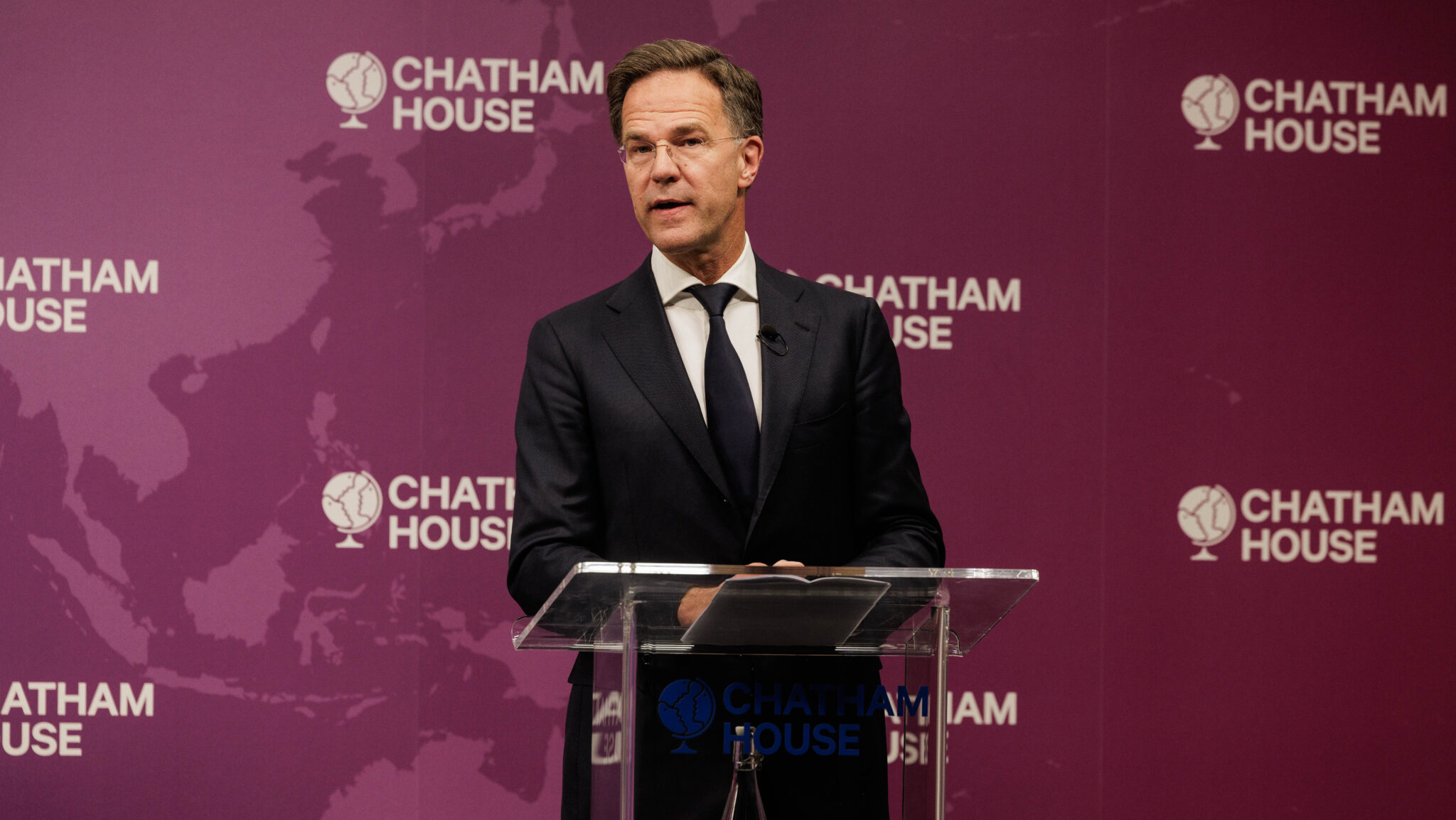
NATO must dramatically enhance its air and missile defense capabilities to effectively deter potential Russian aggression, warned alliance leader Mark Rutte today. Speaking at a Chatham House event in London, Rutte emphasized the urgent need for a significant expansion of military systems.
„We require five times as many systems to defend ourselves against missiles and air threats,” he stated, indicating a staggering 400% increase. The Alliance’s Current Shortfalls in Land and Command Capabilities
Rutte pointed out that NATO’s maneuverable land formations—such as tanks and armored vehicles—are insufficient across Europe, including in the UK and Germany. Moreover, he highlighted critical weaknesses in command, control sensors, and long-range weaponry. „There are clear gaps, and Russia is rapidly reconstituting its forces, creating a real threat,” he warned.
Growing Russian Ambitions Pose Imminent Threat
While Moscow presently cannot execute a successful attack against NATO members, Rutte warned this may change within the next three to five years. This assessment aligns with warnings from Germany’s Defense Chief, Gen. Carsten Breuer, who suggested an offensive could materialize as early as 2029.
Tangible Military Upgrades: Armored Vehicles, Artillery, and Capabilities
In addition to missile defenses, Rutte called for „thousands more armored vehicles and tanks,” „millions more artillery rounds,” and a doubling of logistics and enabling capabilities. He advocated further investment in drones, long-range missile systems, space, and cyber capabilities, asserting, „If we do not invest more, our collective defense cannot be credible.”
Defense Equipment Delays Exacerbate NATO Concerns
Rutte expressed concern over defense production delays, citing Raytheon’s Patriot missile system, which he said would take 10 years to deliver if ordered today. Despite Patriot’s success in shooting down Russian hypersonic missiles like the Kh-47M2 Kinzhal during Ukraine’s war, slow procurement timelines remain a source of frustration, notably for Ukraine’s military operations.
NATO Summit to Signal Stronger Commitment but No Fixed Deadlines
Ahead of the upcoming NATO Summit in The Hague, Rutte pledged to send a „clear demand signal” to the defense industry through increased spending. However, he avoided setting a precise timeline for new commitments, suggesting future consensus.
„We will agree on a target date,” he said, hinting at ongoing consultations with allies. The alliance’s proposed two-tier spending plan calls for 3.5% of GDP on „core” capabilities and an additional 1.5% on security-related investments such as infrastructure.
Disparities and US Force Withdrawal: NATO Allies’ Divergent Stances
While Rutte expressed confidence in reaching agreement, US Defense Secretary Pete Hegseth last week noted some NATO members are „not quite there yet.” The UK has committed to a 3% GDP defense spending goal by 2034, but Rutte dismissed concerns over discrepancies, affirming that each country is re-evaluating its defense strategies in cycles.
US Troop Drawdown in Europe: A Step-by-Step Approach
Rutte also acknowledged the US plans to withdraw forces from Europe, assuring that such moves would be implemented gradually, with no capability gaps expected. He stated, „I am not worried; this will happen in a step-by-step manner.”
As NATO faces evolving threats, these remarks underscore the alliance’s pressing need for modernization, speedier procurement, and a unified financial commitment to ensure security across Europe.