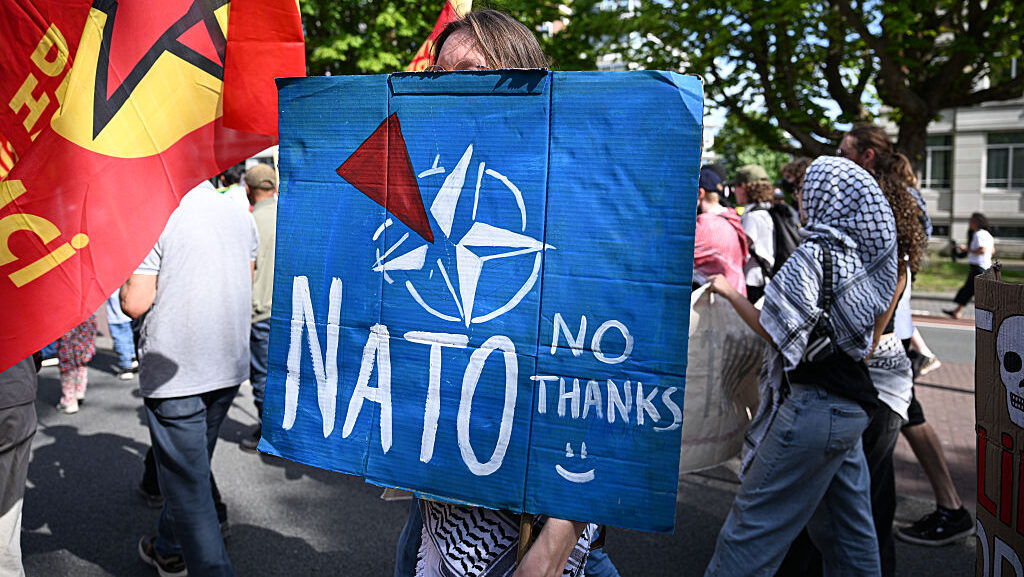
At the recent NATO Summit, allies committed to a significant increase in defense spending, aiming for 5% of GDP by 2035. While this pledge addresses mounting security challenges, it masks the true cost and necessitates a coordinated public support campaign to ensure its feasibility.
The True Cost Unveiled:
While a rise from 2% to 5% of GDP may seem manageable, it represents a substantial portion of national expenditures. For example, if Germany were to meet the 5% target, nearly half of its total budgetary expenditures would be allocated to defense.
Political Misdirection:
Representing the increase as a share of GDP can be politically misleading, potentially alienating the public once they feel the effects. Governments will face difficult choices, including tax hikes or cuts to social programs, to accommodate the increased defense spending.
The Need for a Coordinated Campaign:
To achieve this shift, governments must engage in a coordinated public support campaign, learning from successful initiatives in Norway and the UK. This campaign should emphasize the urgency of the situation and the societal benefits of increased defense spending.
Bipartisan Unity:
Norway’s unanimous passage of a historic defense pledge, achieved through close collaboration with the opposition party, demonstrates the power of bipartisan unity in persuading the public.
Tailoring the Message:
Messages must resonate with individual publics. In the UK, highlighting the importance of defense spending for creating domestic jobs, bolstering industrial input, and addressing cyber threats has garnered public support.
Leveraging Dual-Use Investments:
Allies should emphasize the 1.5% of the spending pledge allocated to dual-use items, which enhance security resilience and provide civilian benefits. Infrastructure improvement projects with tangible military applications will also improve societal conditions.
Addressing Public Concerns:
Allies must address public concerns about the cost and impact of increased defense spending. By showcasing the societal benefits and emphasizing the importance of infrastructure development, governments can bridge the gap between public opinion and increased deterrence measures.
A Political Imperative:
While increased defense spending is necessary, NATO is not yet politically positioned to reach the 5% target. Governments must prioritize public outreach and messaging to secure the support needed to sustain these efforts in the coming decade. Without it, this goal is unlikely to be achievable.