The U.S. military’s operation to capture Venezuelan President Nicolas Maduro was a triumph not only for the boots on the ground but also for the unseen yet critical forces of modern warfare: space support and cyber operations. The U.S. Space Command (SPACECOM) has confirmed that space power was paramount, providing essential „overwatch” for the entire mission.
Overwatch from Orbit: SPACECOM’s Silent Guardian
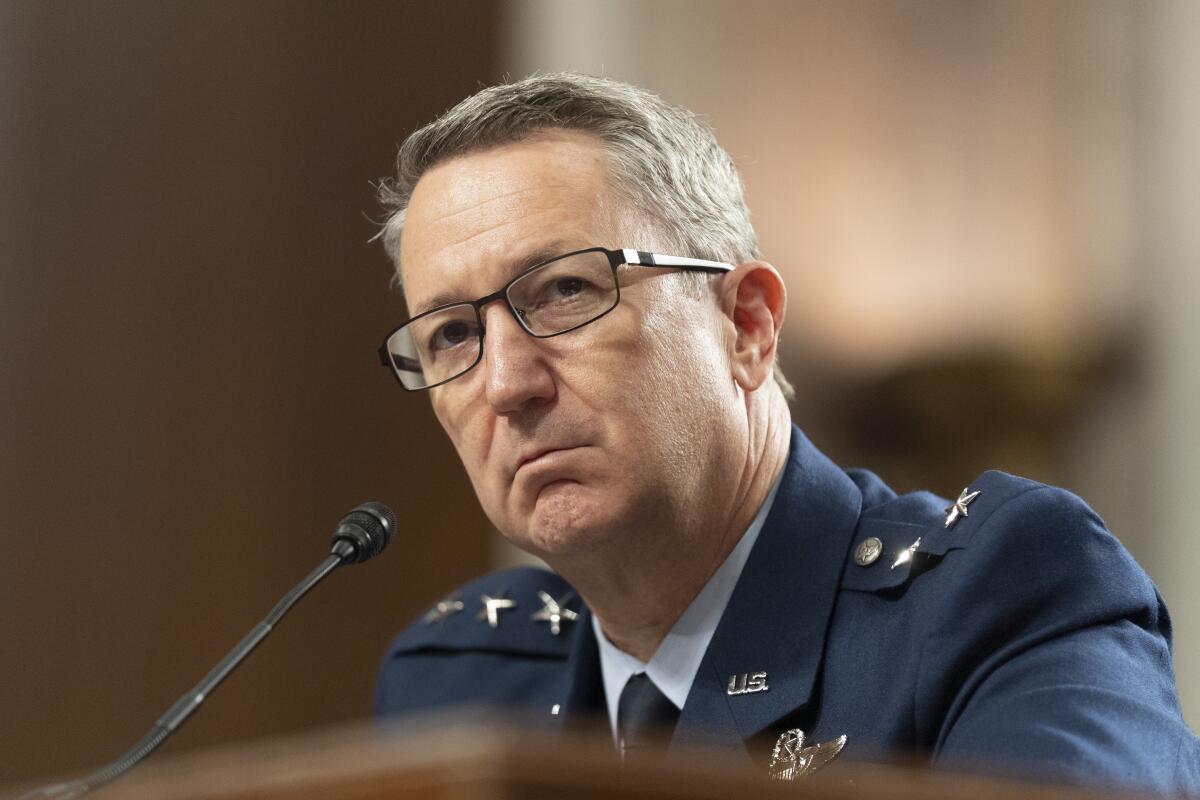
A SPACECOM spokesperson emphasized that spacepower doesn’t just underpin the military’s ability to shoot, move, and communicate, but also delivers layered „overwatch” effects. This military tactic, vital for protecting executing units, includes supplying intelligence on enemy radar and troops, and providing cover fire. General Dan Caine, Chairman of the Joint Chiefs, lauded SPACECOM’s role on January 3rd, stating it ensured the Joint Force’s „freedom of maneuver” during Operation Absolute Resolve.
While specific operational details remain classified, it’s clear that Positioning, Navigation, and Timing (PNT) and Satellite Communications (SATCOM) are foundational to all modern military activities. „To protect the Joint Force from space-enabled attack and ensure their freedom of movement, U.S. Space Command possesses the means and willingness to employ combat-credible capabilities that deter and counter our opponents and project power in all warfighting domains,” the spokesperson added.
A New Apex of Integrated Warfare
General Caine detailed how, as helicopters carrying the extraction force, including law enforcement officers, began their flight into Venezuela a mere 100 feet above the water, the United States simultaneously began layering different effects provided by SPACECOM, US Cyber Command (CYBERCOM), and other interagency members to create a secure „pathway overhead.”
John Shaw, former SPACECOM deputy, noted that the level of coordination between SPACECOM and the wider Joint Force has reached a new apogee. „The integration of space into joint warfighting has reached a new culmination. We saw this with ‘Midnight Hammer’ last year, with spectacular results of an operation on a global scale that relied highly on space capabilities, and now we’ve seen it with ‘Absolute Resolve’,” he explained. This integration signifies a higher maturity level for Space Command and a more effective integration of space capabilities by other combatant commands.
Space-Based Intelligence: The Eyes of NRO and NGA
While space support functions are often taken for granted, experts like Todd Harrison, a senior fellow at the American Enterprise Institute, underscore their critical nature. SPACECOM would have been directly involved in establishing secure SATCOM links, monitoring and overcoming GPS jamming or spoofing attempts, and detecting any missile launches.
Furthermore, two key Intelligence Community agencies responsible for space-based Intelligence, Surveillance, and Reconnaissance (ISR) played crucial roles: the National Reconnaissance Office (NRO), operating spy satellites, and the National Geospatial-Intelligence Agency (NGA), providing analyses from ISR data. NRO and NGA likely surveilled and mapped the compound where Maduro was captured, aiding Special Operations Forces (SOF) in planning their routes and backup routes. Signal Intelligence (SIGINT) satellites likely mapped Venezuelan air defense radars and communication systems, allowing U.S. aircraft to effectively neutralize them.
Caracas in Darkness: Cyber’s Disabling Blow
A particularly striking element of the operation was CYBERCOM’s role in suppressing Venezuelan defenses, as indicated by General Caine. Former President Donald Trump added a dramatic touch, mentioning that „the lights of Caracas were largely turned off due to a certain expertise that we have. It was dark, and it was deadly.”
Though exact details remain scarce, experts speculate that offensive cyber tactics targeted the Venezuelan capital’s power grid and internet access. Emily Harding, from the Center for Strategic and International Studies (CSIS), remarked, „Well, it was dark because it was night, but apparently it was also dark because it seemed CYBERCOM turned off all the lights. This is the way that modern wars are fought, especially if you’re in the United States, and we operate very well in darkness.” While Anthony Vinci, a senior fellow at the Center for a New American Security, suggested a ground agent could have been involved, he affirmed that such infrastructure targeting will likely continue, making infrastructure a legitimate target in modern conflict.
Beyond power disruptions, electronic warfare tactics were likely employed to disrupt Venezuela’s air defense systems, as Caine spoke of the „dismantling and disabling of the air defense systems” by the joint air component. These combined actions aimed to cripple Venezuela’s ability to coordinate any meaningful response, disrupting communications, internet, and GPS. The success of this operation also serves as a crucial case study for U.S. cyber adversaries – China, Russia, North Korea, and Iran – who will undoubtedly analyze the tactics used to enhance their own capabilities.