



















Resolution Reached with Union Workforce
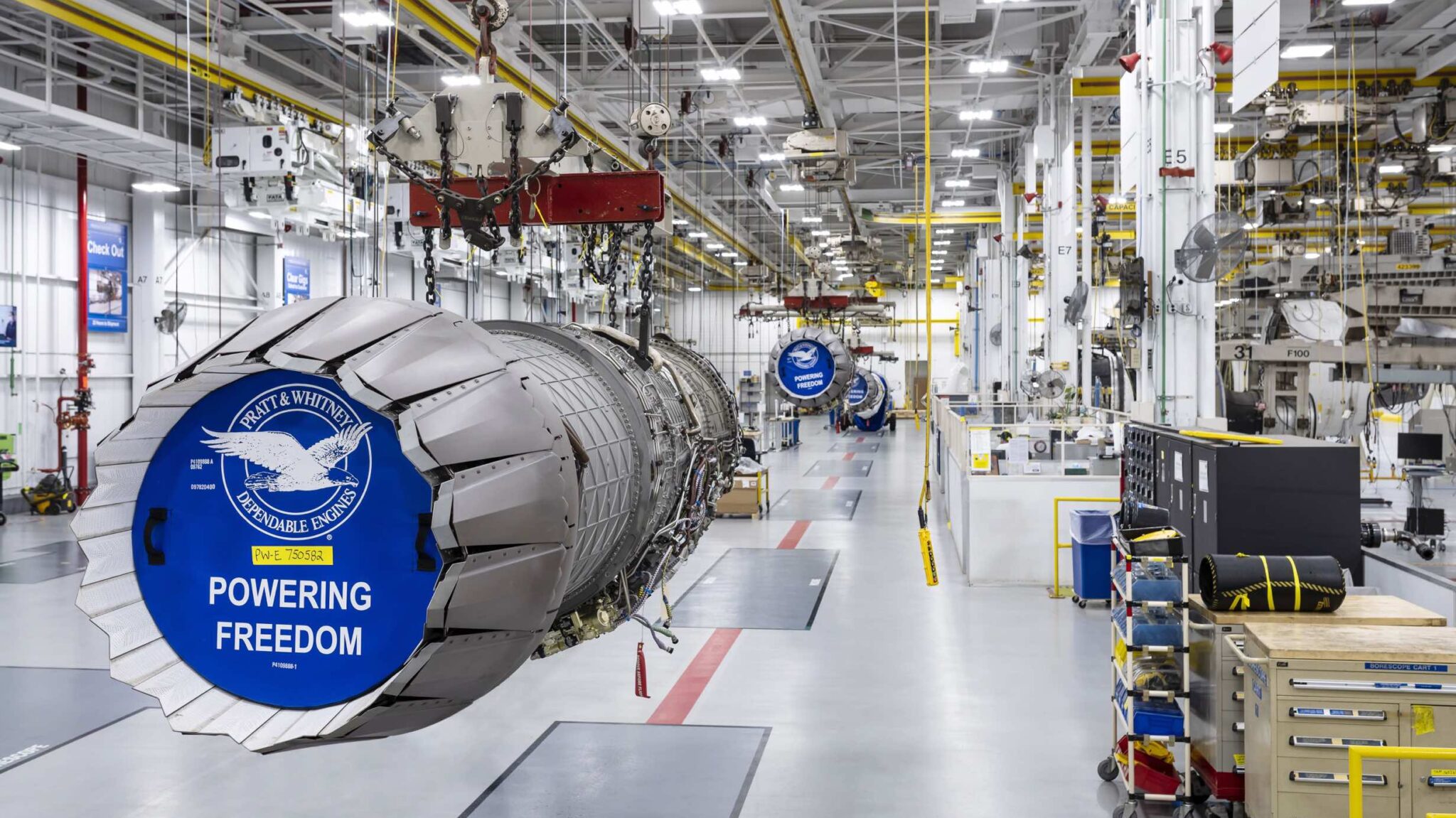
RTX’s Pratt & Whitney has successfully negotiated a contract with its union workforce, ending a significant production halt that affected military aircraft engine output, including the F135 engines for Lockheed Martin’s F-35. About 3,000 union workers in Connecticut approved a four-year deal, allowing operations to resume immediately.
CEO Highlights Financial Repercussions
During the Bernstein Strategic Decisions Conference, RTX CEO Chris Calio expressed optimism over the contract resolution but acknowledged that the strike would negatively impact the company’s second quarter earnings. Calio indicated that the production disruption hindered the company’s ability to deliver both Geared Turbofan (GTF) and F135 engines as initially scheduled. „We’ll need to catch up on these delays throughout the year,” Calio told investors.
Union Contract Terms and Worker Solidarity
The new contract, accepted by 74% of the International Association of Machinists and Aerospace Workers (IAM) members, includes wage increases and assurances of continued operations at the East Hartford and Middletown facilities through 2029. Jeff Santini, business representative for IAM District 26, praised the agreement and the solidarity shown by members.
Mitigated Tariff Concerns Enhance Outlook
Despite the strike-related challenges, Calio reported a softened impact from potential tariffs, owing to a 90-day pause by the Trump administration and other strategic adjustments by RTX. During a previous earnings call, RTX had forecasted an $850 million tariff impact for 2025. However, Calio’s comments at the conference suggested a more optimistic outlook, with a formal update expected during the next earnings call in July.
Strategic Focus Moving Forward
As Pratt & Whitney’s workforce resumes full production, the company is strategically focused on ramping up operations to mitigate the financial hit from the recent stoppage. While there are hurdles ahead, effective contract negotiations and strategic tariff management offer a pathway to stabilize and improve the company’s financial performance by year-end.



