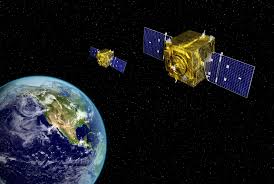
The Pentagon is doubling down on commercial innovation to secure the ultimate strategic high ground. Under a $1.84 billion decade-long contract, the U.S. Space Force will replace aging surveillance satellites with a new fleet capable of complex maneuvers in close proximity to adversary assets.
The Andromeda Shift: Total Surveillance at 36,000 Kilometers
The U.S. Space Force has designated a pool of 14 elite vendors to compete for nearly $2 billion in satellite monitoring services under the newly dubbed „Andromeda” program. The primary objective is to phase out the venerable Geosynchronous Space Situational Awareness Program (GSSAP). While GSSAP has long served as an orbital „neighborhood watch,” inspecting foreign spacecraft at high altitudes, it lacks the agility required for modern space warfare. Andromeda aims to deliver a replacement that is far more maneuverable and responsive.
High-Stakes Maneuvers in the Intelligence Playground
Geosynchronous Earth orbit, located roughly 36,000 kilometers above the surface, is home to the world’s most sensitive military and intelligence satellites. The Space Force’s new requirements call for „zippy” commercial platforms—satellites that can reposition themselves rapidly while maintaining a long operational life. This ability to closely inspect and monitor adversary technology in real-time is seen as a critical deterrent in an increasingly contested space domain.
Silicon Valley Meets Traditional Defense Giants
To achieve this leap in capability, the Space Force selected a diverse mix of 14 vendors from 32 competing bids. The pool bridges the gap between traditional aerospace titans like Lockheed Martin and Northrop Grumman and disruptive startups such as Anduril Industries and True Anomaly. By fostering this competition, the military intends to leverage rapid commercial innovation, issuing annual contracts that evolve alongside emerging threats and shifting budgets.