New Pilot Program Aims to Enhance Submarine Industrial Base in Australia
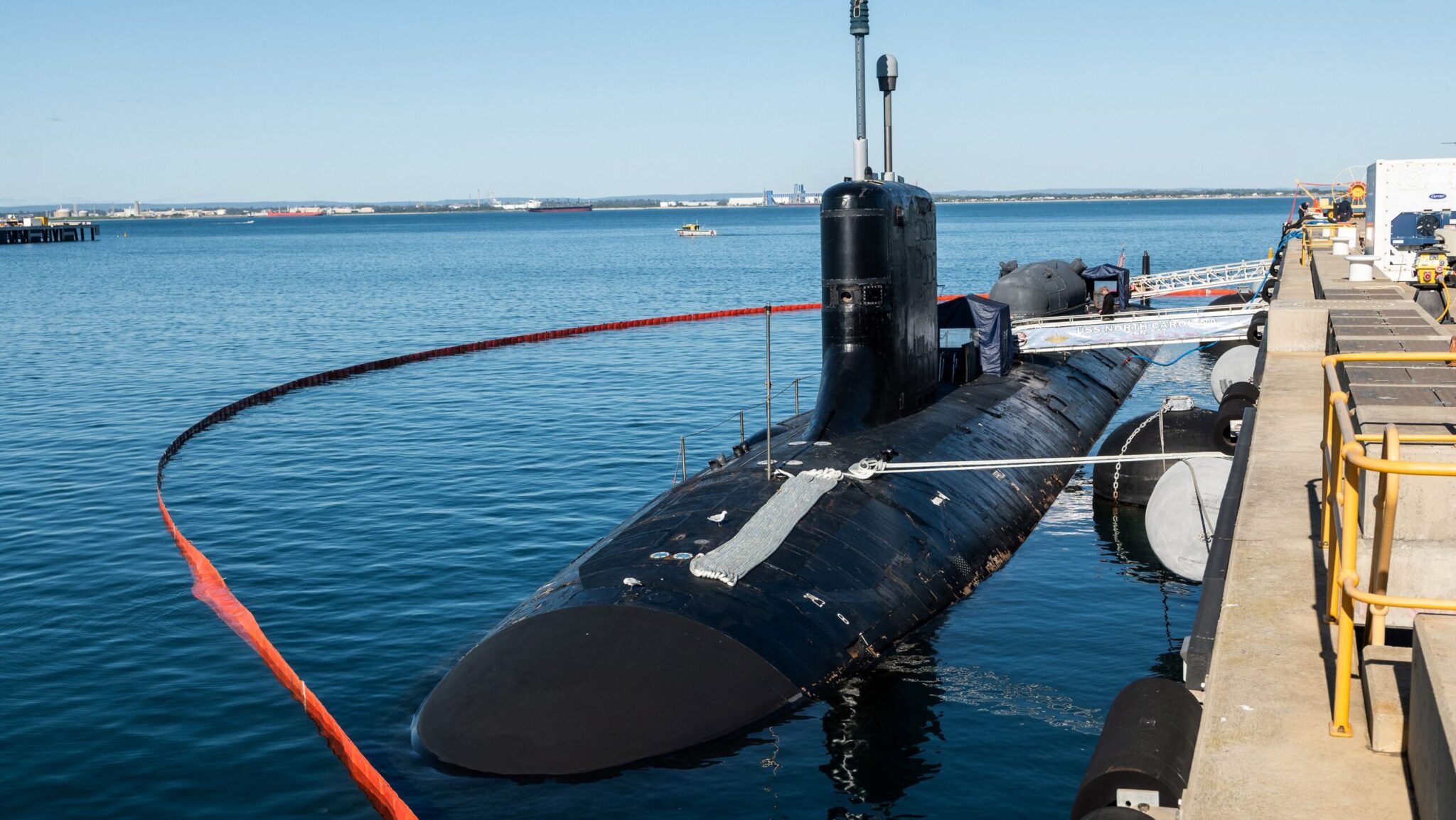
Transferring defense technology between nations usually involves intricate processes, but a new pilot program secured by Honeywell from the US Navy seeks to simplify this transition as part of the AUKUS initiative. This effort centers on the sale of Virginia-class submarines from the US to Australia, with the goal of quickly establishing the submarine industrial base in Australia.
Honeywell’s Expertise in Security and Supply Chains
In an interview at the Avalon Air Show near Melbourne, Honeywell’s Senior Director for Defense and Space in Australia, Lee Davis, emphasized the company’s extensive experience managing security and supply chains. „We have 200 factories around the world, and we produce over 160,000 parts,” Davis noted. The US Navy selected Honeywell for its ability to manage the sensitive technology transfer of Virginia-class submarine data to Australia.
Supporting the Supply Chain with Local Vendors
Launched on March 17, the pilot program tasks Honeywell with laying the groundwork for an industrial base to supply parts for the submarines and maintain them upon arrival. Key to this endeavor is identifying local suppliers capable of producing parts and securely transferring necessary data and intellectual property through a digital cloud environment. According to Davis, these vendors will eventually be well-equipped to contribute to the production of the SSN-AUKUS nuclear-powered submarines, which will incorporate technologies from both the US and UK.
Building a Robust Supply Network
The pilot program aims to select approximately five vendors to manufacture five types of parts, focusing primarily on „electromechanical complex assemblies.” Honeywell has already identified over 1,500 potential suppliers but will refine this list to find the most suitable partners. Davis underscored the importance of building a robust supplier network, stating, “To be effective in the Virginia program, we need to build a large number of suppliers, so we need to be able to do this technology transfer process securely and quickly.”
Revising Regulations to Facilitate Cooperation
The AUKUS agreement brought about changes to the International Traffic in Arms Regulations (ITAR), which governs US defense exports. This modification allows for broader sharing of military and dual-use goods among the three partner countries, an advancement praised by Australian defense officials. Davis indicated that this change could reduce transfer timeframes by three to six months, although certain parts will still require licensing coordination.
Innovating the Transfer Process
The pilot program aims to eliminate the need for traditional government intermediaries in technology exchanges. It seeks to create a direct business-to-business transfer model, allowing producers to connect without going through government channels, thus accelerating the process.
Two-Way Exchange of Technical Capabilities
While the pilot programs primarily involve transferring US technical capabilities to Australia, Davis highlighted that the exchange is reciprocal. Australia’s proficiency in areas like additive manufacturing has caught the US Navy’s attention, illustrating a collaborative spirit in AUKUS.
Honeywell’s Long-Term Vision
Though still in its pilot phase, Honeywell anticipates scaling operations in line with increasing demands of the AUKUS program, projected to cost hundreds of billions. Davis suggested that managing over a million parts in Virginia-class submarines will require a sizable expansion of their supplier network.
„The long-term play for Honeywell is to expand our capacity and meet demand with resilient supply chains,” he stated, viewing Australia as a strategic investment location for a secure partnership.
Overcoming Challenges Amidst Political Uncertainty
Despite the uncertainties brought by the current US administration, which has prompted historical allies to reevaluate their ties, Davis remains optimistic about AUKUS. He noted that the Australian government views AUKUS as a crucial part of its defense strategy, reinforcing the commitment to the initiative despite external concerns.
In conclusion, as discussions around AUKUS continue, Davis sees strategic alignment among the governments, suggesting that collaboration on defense technology can only strengthen their international relationships.