In a strategic maneuver aimed at bolstering security across the Indo-Pacific, the U.S. State Department has cleared potential arms sales and sustainment packages exceeding $4.6 billion for South Korea and India.
The Seoul Surge: Seahawk Expansion and High-Tech Lethality
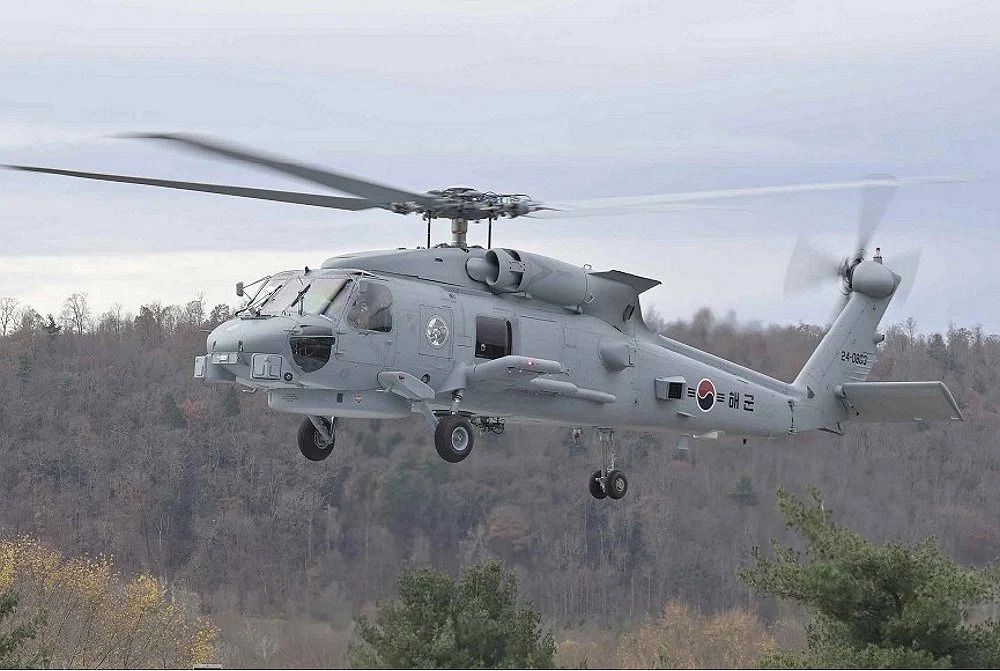
The most significant portion of the newly announced defense deals targets South Korea, with a potential price tag of $4.2 billion. The crown jewel of this package is the potential sale of 24 Lockheed Martin MH-60R Seahawk helicopters to the Republic of Korea Navy, valued at approximately $3 billion. This comprehensive deal includes airborne low-frequency sonars, advanced engines, and sophisticated self-protection systems, expanding a fleet that has been utilizing the MH-60R since a primary order in 2020.
Simultaneously, the South Korean Army is set for a massive technological upgrade to its Boeing AH-64E Apache gunships. The approved package features the integration of AN/APG-78 Longbow Fire Control Radars and Manned-Unmanned Teaming (MUM-T) capabilities. This upgrade will allow Apache pilots to coordinate directly with unmanned systems, exponentially increasing tactical awareness and strike efficiency in contested environments.
Maintenance as Strategy: Sustaining India’s High-End Assets
While South Korea focuses on acquisition and upgrades, the focus for India lies in long-term operational readiness. The U.S. has approved two sustainment packages for New Delhi totaling $428 million, emphasizing that cutting-edge hardware is only as good as the logistics supporting it.
A $230 million package has been allocated for India’s BAE M777A2 ultralight howitzers, covering essential spare parts, repairs, and specialized training. Additionally, nearly $200 million will be directed toward engineering and support services for India’s fleet of 28 AH-64E Apache helicopters. These funds ensure that India’s air and ground forces maintain their qualitative edge through high-grade maintenance and technical continuity.
The FMS Framework: Navigating Negotiations and Congressional Oversight
These announcements, published by the Defense Security Cooperation Agency (DSCA), mark a critical step in the Foreign Military Sales (FMS) process. While they do not represent finalized contracts, they trigger a mandatory 30-day period during which lawmakers can theoretically block the deals. Such interventions, however, are rare for key strategic partners.
As negotiations move into the final stages, dollar totals and specific quantities may shift. Nevertheless, the scale of these potential deals underscores a clear priority: the U.S. and its Indo-Pacific allies are moving toward deeper technological integration to ensure regional stability against emerging threats.