Today, the Swedish government presented a proposal to the Riksdagen (parliament) aimed at assigning a significant portion of its military resources to NATO operations, signaling Stockholm’s intention to fully engage with the alliance.
The proposal seeks parliamentary approval for the government to deploy a robust Swedish military contingent, consisting of up to 1,200 troops from ground forces, special operations, and amphibious units, along with six warships and a fleet of up to 24 fighter jets. This commitment, which equates to about 25 percent of Sweden’s overall fighter fleet, is intended to support NATO deterrence operations in the North Atlantic through the end of 2025.
While the troop numbers may seem modest by American standards, this pledge represents a serious escalation in Sweden’s military involvement with NATO, projecting a strong message to fellow alliance members that Sweden is committed to collective defense and its own security.
“This is a historic decision. Sweden has previously declared that we will pursue a policy of solidarity within the alliance. Now we’re putting that into practice by contributing an armed force to NATO’s collective defense for the first time,” stated Foreign Minister Maria Malmer Stenergard during the announcement event.
Previously, Sweden had committed to deploying troops to NATO missions, such as planning to send up to 600 troops to Latvia alongside Danish forces under Canadian leadership. However, today’s announcement significantly raises the scope of Sweden’s military contributions to NATO.
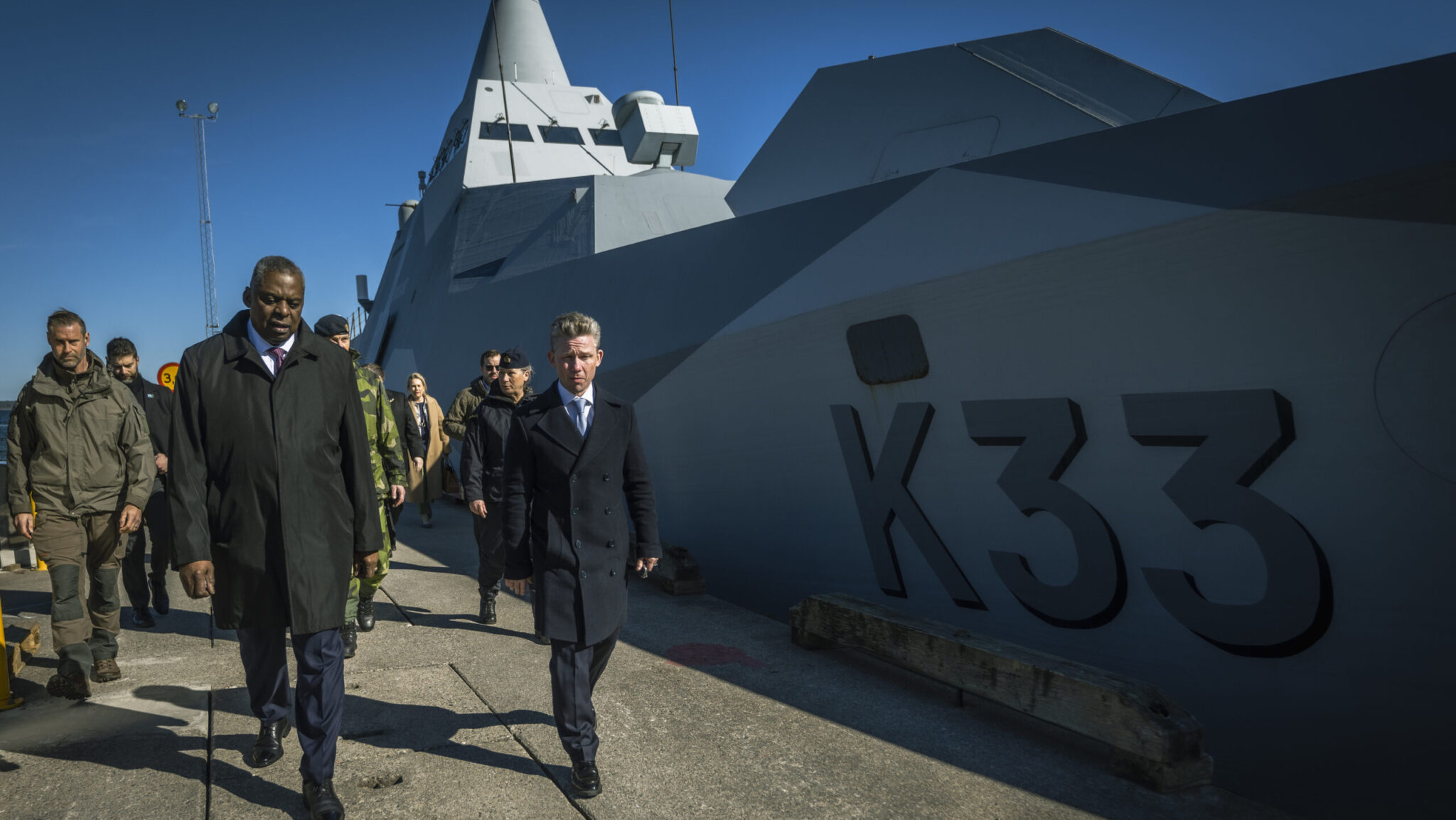
Under the new plan, Sweden would increase its troop presence in Latvia to around 1,000, encompassing “officers and full-time serving soldiers, so we’re not talking about conscripts here,” explained Defense Minister Pål Jonson. The operational area for these forces would also expand to include Estonia, Lithuania, and Poland.
In addition to ground forces, Sweden revealed that it would contribute six warships—a major commitment for the nation—with at least some focusing on mine countermeasures in the Baltic and North Atlantic regions. The air policing mission contribution is also set to grow, potentially encompassing 24 fighter jets.
Overall, Sweden plans to participate in three key operational areas through NATO over the next year:
- Ground and Air Operations in the Arctic: These operations will occur in the Nordic Cap (Nordkalotten) within the framework of the enhanced Nordic defense cooperation or alongside other allies.
- Operations in the North Sea and Baltic Sea Region: This includes ground, naval, and air forces participating within the context of the Nordic Defence Concept, the Joint Expeditionary Force, or along with other allies.
- Air Operations with the USA: These initiatives fall under the Bomber Task Force, including both bilateral and multilateral air operations with other allied forces.
One critical area that remains unaddressed in the announcement is Sweden’s collaboration with NATO’s nuclear forces. Jim Stokes, NATO’s head of nuclear policy, emphasized during a seminar in Stockholm in June that “Sweden needs to communicate to its public the importance of having joined a nuclear alliance.” This highlights the potential controversy surrounding the use of Swedish airspace by NATO aircraft equipped with nuclear weapons.
As Sweden moves forward with this significant commitment, the implications for both its national defense posture and its role within NATO will be closely monitored by international observers.