As Donald Trump and Kamala Harris present their closing arguments to voters nationwide, they face a critical reality: Americans across all political affiliations prioritize strong U.S. leadership on the global stage. Regardless of who wins the upcoming presidential election, acknowledging this clear mandate from the American public will be essential.
Recent trends indicate a steadfast commitment among Americans to an internationalist foreign policy, despite ongoing global chaos and conflict. Data from the Reagan National Defense Survey highlights this commitment over the past six years. Conducted annually by the Ronald Reagan Institute, this nationwide public opinion poll assesses perceptions on defense, foreign policy, and national security. One consistent finding is the preference for U.S. engagement and leadership in international affairs. Notably, support for the U.S. taking the lead has risen to 54 percent, up from 40 percent in 2022, showcasing a bipartisan inclination towards engagement over isolationism.
Moreover, enlisting military presence abroad continues to receive overwhelming support, with approximately two-thirds of Americans favoring the maintenance of military bases globally to deter threats and enable swift responses. The desire for increased defense spending remains robust, with nearly eight in ten Americans backing this notion across party lines. The principles established during Reagan’s presidency—particularly the idea of peace through strength—continue to resonate today.
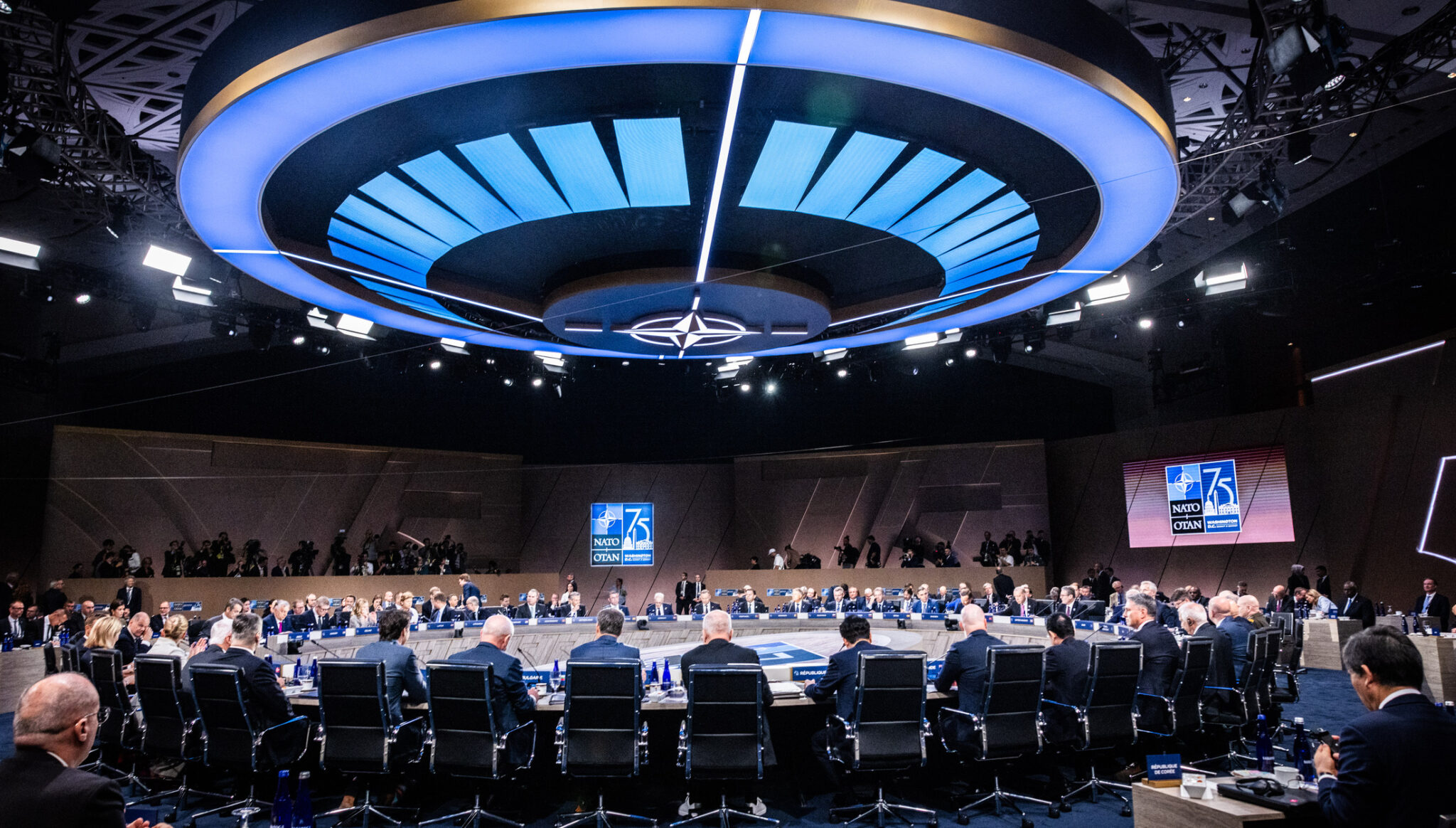
The public also demonstrates unwavering support for maintaining alliances and partnerships, as evidenced by ongoing favorable views of NATO, with about six in ten Americans expressing positive sentiments towards the alliance. Additionally, nearly 75 percent affirm that the U.S. should take military action if a NATO ally faces an attack.
Support for aid to Ukraine further reinforces this commitment to international leadership, with around 60 percent of Americans across party lines endorsing military assistance since 2022, countering any narratives of “Ukraine fatigue.”
While Americans’ support for foundational foreign policy principles remains strong, perceptions of threats have evolved, particularly regarding China. Recent surveys show that 51 percent of respondents now identify China as the top threat to the U.S., a significant increase from just 21 percent in 2018. Concerns encompass China’s military expansion, technological advancements, economic strategies, human rights violations, and global ambitions.
Despite this rising apprehension, more than half of Americans feel the U.S. lacks a coherent strategy for addressing its relationship with China. As public consensus emerges on the importance of navigating great power competition, the next president must articulate a clear strategy for how the U.S. and its allies can succeed in this context.
Reflecting on the past, Ronald Reagan underscored the significance of foreign policy in his closing argument during the 1980 election. He voiced concerns about the U.S.’s weakening status globally and the urgent need for strong leadership. Today, Americans once again seek a renewed commitment to robust U.S. leadership and international engagement, recognizing its critical role in maintaining peace in an increasingly volatile world.
As the next administration takes office in January, prioritizing and responding to this public sentiment will be vital for future success on the global stage.