Following years of technical and financial turbulence within the T-7 Red Hawk trainer program, U.S. Air Force officials have opted for an unconventional path to break the deadlock with prime contractor Boeing. The strategy, labeled „active management,” was first deployed in early 2025, offering financial incentives in exchange for hitting specific milestones. However, recent internal documents reveal an expansion of this plan that could cost taxpayers over a billion dollars in additional funds.
The central stake of the new arrangement, detailed in a memorandum signed in late 2025, involves a radical reconfiguration of how the aircraft’s engines are procured. Instead of purchasing the complete system through Boeing, the Air Force intends to contract directly with the manufacturer, GE Aerospace. While the move promises to resolve logistical logjams, internal assessments suggest a staggering additional cost, estimated between $1 billion and $1.5 billion above the original contract value.
Active management or a reward for unfulfilled promises?
The „active management” approach emerged as a necessity after Boeing incurred over $3 billion in losses due to the fixed-price contract it aggressively bid to win. While military officials argue that this method allows for tighter oversight and faster delivery, critics within the program warn of a dangerous precedent.
Some voices argue that the government is now paying extra for services Boeing was already contractually obligated to perform. This shift in paradigm raises serious questions about contractor accountability and the efficient use of public funds, especially at a time when Washington is demanding more financial discipline from the defense industry.
The „big horse trade”: Data rights for the doomsday plane enter the equation
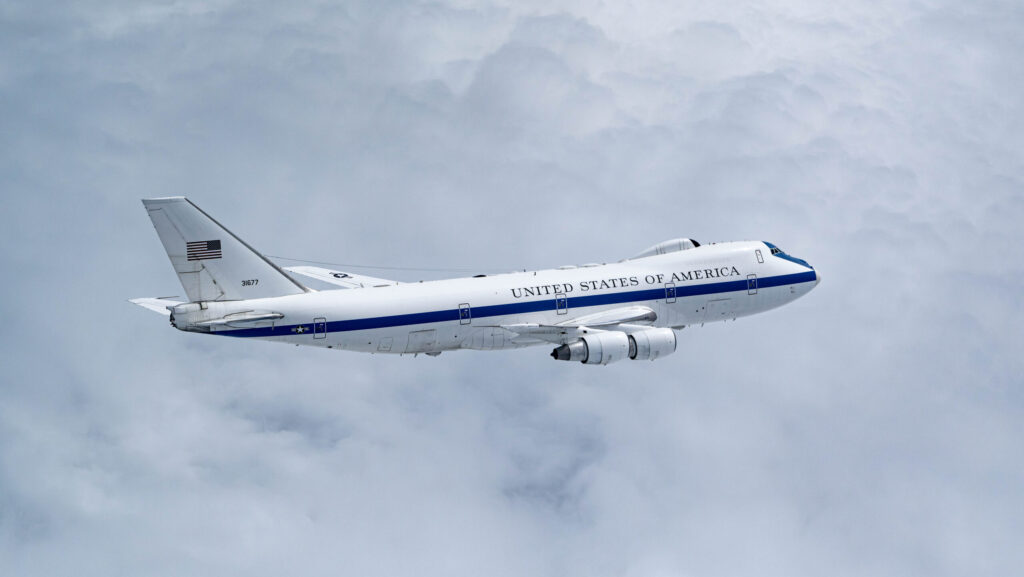
An unexpected dimension of the new strategy is the inclusion of provisions that have no direct link to the T-7 trainer itself. Documents point to a subtle exchange: the Air Force assumes the responsibility and risks associated with the GE engines, and in return, Boeing provides access to technical data for the 747-8i aircraft. This information is vital for another high-priority national security program: the E-4 Survivable Airborne Operations Center (SAOC), famously known as the „doomsday plane.”
This maneuver appears to be a workaround to prevent the intellectual property disputes that have plagued the T-7 program from spilling over. By securing this data, the military ensures that the future nuclear command and control platform will not be hindered by the same bureaucratic barriers, even if the price for this compromise is offloaded onto the trainer program’s costs.
Balancing pilot safety and budgetary pressure
Despite the signed memorandum, Air Force officials state that the full implementation of the plan is still in the preliminary conversation stage. Boeing, on the other hand, emphasizes the progress made, noting over 350 test flights successfully completed. The company maintains that this close collaboration will allow for the delivery of a production-ready configuration, reducing future risks.
It remains to be seen whether this strategic „trade” will be validated by higher decision-making bodies. In a tense geopolitical landscape, the need to rapidly deliver modern trainer aircraft is undeniable, but the cost of this bureaucratic agility could leave a significant dent in the defense budget for the next decade.