1. Life in Lebanon After a Year of Conflict
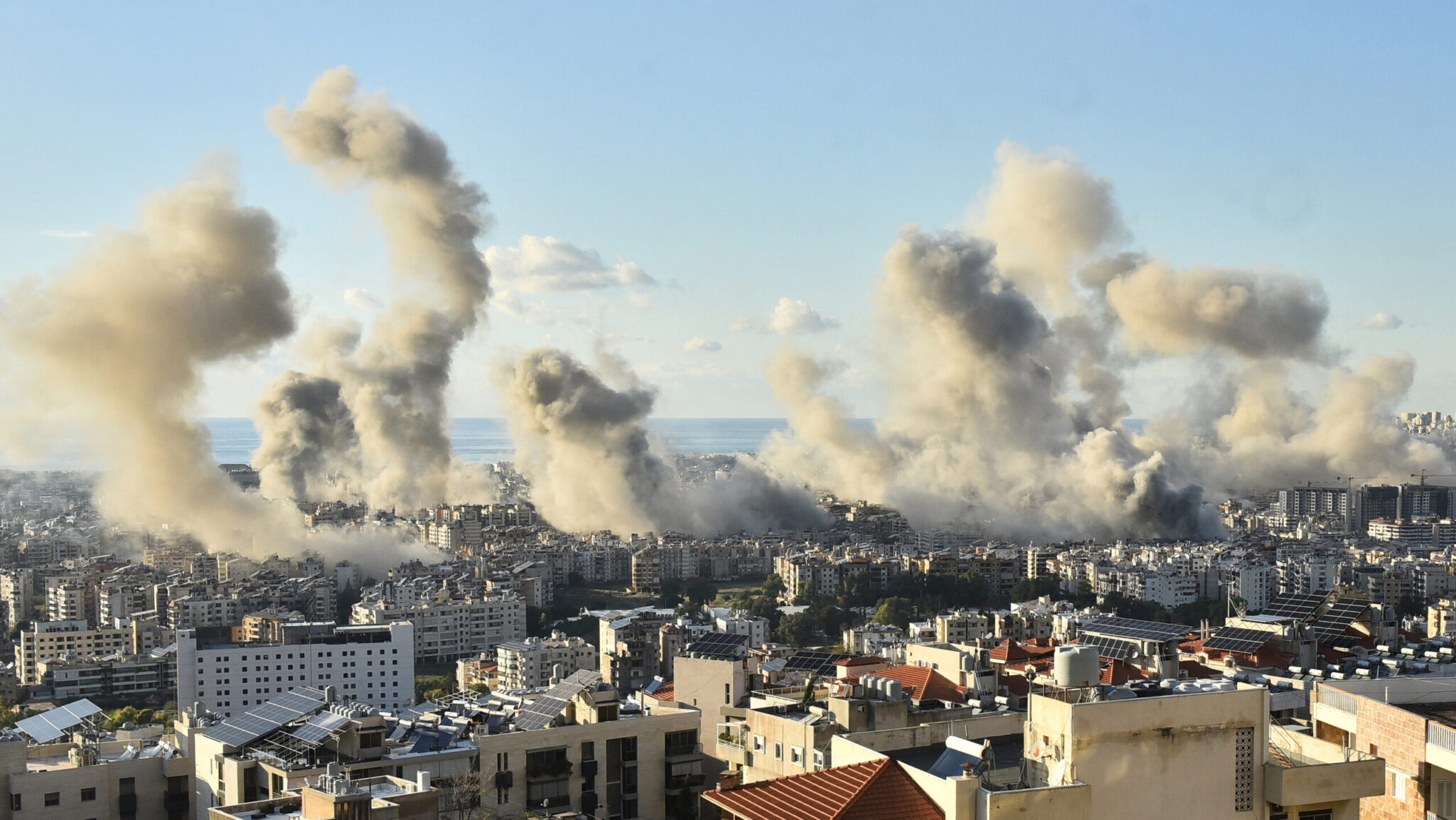
The past year has been challenging for Lebanon as it faced ongoing conflict between Hezbollah and Israel. While many residents evacuated the southern border, some chose to stay, recounting their haunting experiences during the missile exchanges overhead. Amidst the continuous bombardments, a resident noted, “The bombardment sounds never seem to pause. The nights are the worst.” Meanwhile, Beirut was not immune to the conflict, with children anxiously asking their parents each night, “Are we going to die tonight?” in the wake of the violent attacks.
2. Insights from the Turkish Drone in the Raisi Crash Crisis
In May, the crash of Iranian President Ebrahim Raisi’s helicopter in fog led to the deployment of a Turkish drone to the crash site. Although Iranian officials later denied the drone succeeded in its mission, experts argued that its utilization revealed crucial insights into Iran’s UAV capabilities. Turkish defense expert Can Kasapoglu remarked that the event showcased Turkey’s information superiority over Iran, suggesting that Tehran’s claims about its own drone technologies may not align with reality.
3. Western Defense Firms Navigate Saudi Localization Mandates
As Saudi Arabia pushed for increased domestic defense capabilities, a deadline was imposed for Western defense firms to establish regional headquarters within the Kingdom by January 2024. At the Saudi World Defense show in February, company executives acknowledged struggling to meet this mandate, often feeling caught between Saudi Arabia and the UAE, which has its own localization requirements. Some firms found creative solutions or sought lenient interpretations of the regulations to remain compliant.
4. Iran’s Display of Military Capabilities at DIMDEX
During the Qatari defense show DIMDEX, the Islamic Revolutionary Guard Corps made headlines by displaying an array of Iranian-made military equipment, including a drone ominously named „Gaza.” Breaking Defense had the opportunity to tour the exhibit and speak with Iranian officials, who emphasized the systems’ availability for export, with the notable exception of Israel and the United States.
5. After the Fall of the Syrian Regime: Impacts on Russian Bases and Hezbollah Arms
As 2024 came to a close, the Assad family’s rule over Syria crumbled, raising significant questions about the future of Russian military bases and Hezbollah’s arms transportation routes from Iran. Following Assad’s reported flight to Russia, rebels seized several cities, leaving uncertainty about the geopolitical landscape in the region moving forward. The unfolding events pose critical inquiries regarding what lies ahead for the Middle East in 2025.
Conclusion
The year 2024 has been marked by a tumultuous mix of conflict and shifting power dynamics in the Middle East. As nations and groups contend with ongoing challenges, the hope for a broader peace continues to be an underlying narrative, shaping the region’s future. Keep an eye on Breaking Defense for continuing coverage and insights into these pivotal stories.