The U.S. Army has relied on rotary wing aircraft since the introduction of its first helicopter, the Sikorsky R-4, in 1944. Today, this legacy continues in the attack sector with the AH-64 Apache, in heavy lift with the CH-47 Chinook, and in utility/transport roles with the UH-60 Black Hawk and UH-72A Lakota.
As part of its modernization efforts, the Army is adding a tiltrotor aircraft to its fleet in the form of the Future Long Range Assault Aircraft (FLRAA), which is slated for low-rate initial production in 2028 and initial fielding by 2030. The FLRAA program achieved Milestone B in early August, paving the way for the Army to move forward with detailed aircraft design and the production of six prototypes under the Future Vertical Lift initiative.
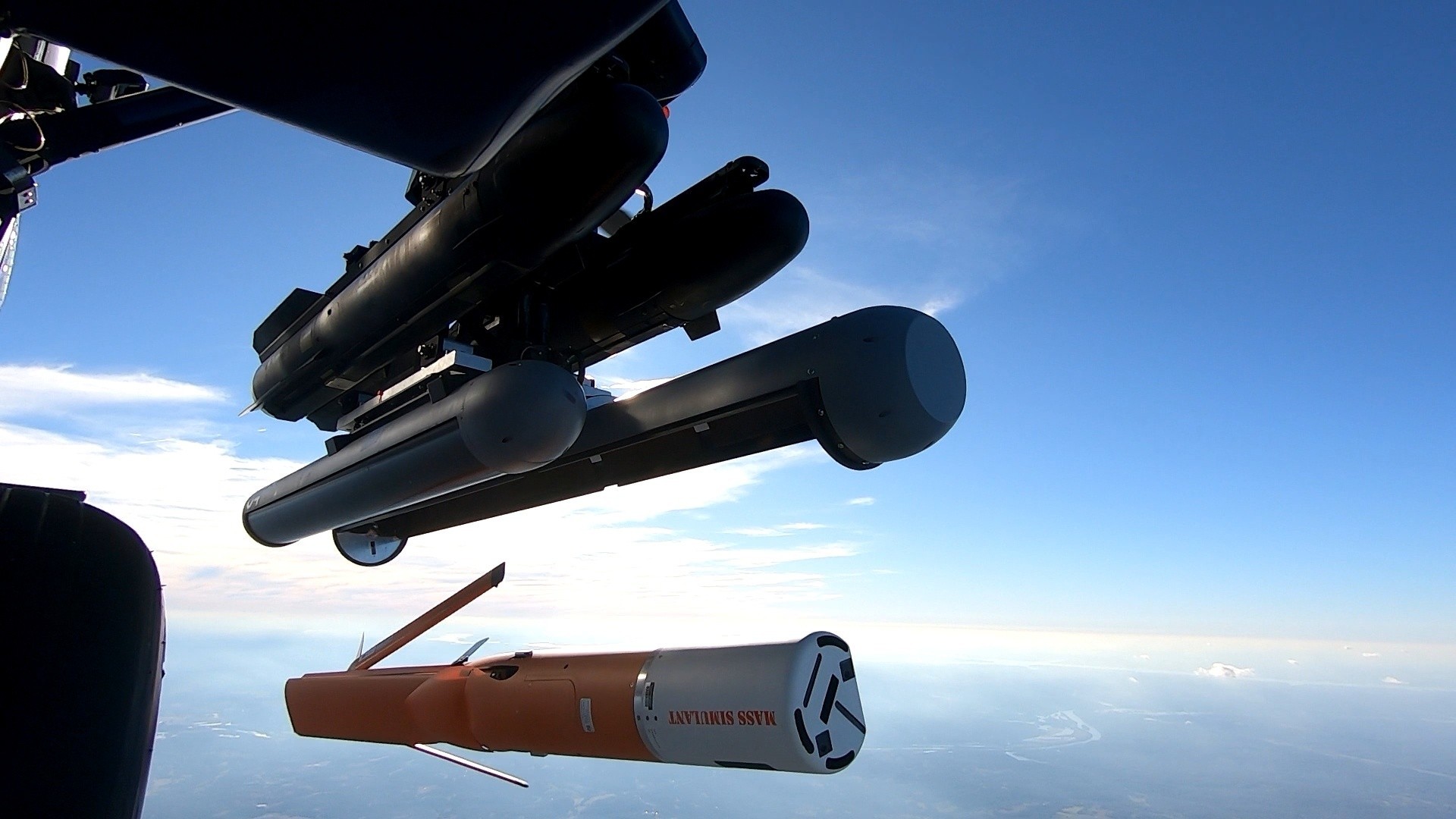
Although FLRAA is classified as a vertical takeoff and landing (VTOL) aircraft, there remains considerable work before it can be produced in sufficient quantities to replace a portion of the Black Hawks in service. It is important to note that FLRAA is not intended to replace Black Hawks on a one-to-one basis. Meanwhile, the Army is actively modernizing the Black Hawk platform through various enhancements, including the introduction of launched effects, autonomous features, and engine upgrade initiatives under the Improved Turbine Engine Program (ITEP).
Breaking Defense engaged with Army Col. Ryan Nesrsta, program manager for Utility Helicopters at PEO Aviation, to discuss these modernization programs. The Army Aviation Center of Excellence at Fort Novosel, AL, also provided additional insights in response to key questions.
Col. Ryan Nesrsta highlighted, “The Army has made a significant capital investment in rotary wing platforms up to this point. Given that decision and investment, there’s going to be an ongoing requirement for interoperability and addressing emerging threats in terms of survivability.”
He emphasized the importance of the rotary wing fleet’s ability to work alongside tiltrotor aircraft in any operational theater, necessitating continued investment to enable the Future Vertical Lift family of systems effectively.
Describing the capabilities of the FLRAA platform, the Army Aviation Center of Excellence noted that it will enhance the ability to air assault soldiers from safer zones into adversary territory, expanding operational reach beyond current capabilities. The Black Hawk will continue to be essential for shorter distances, while the Chinook remains the only heavy lift vertical aircraft and the Apache, the sole attack aircraft in the Army’s inventory.
When discussing the implications of rotary wing aircraft in multi-domain operations, Nesrsta acknowledged lessons learned from the ongoing conflicts in Ukraine and the Pacific. These situations underline the relevance of rotary wing assets, as both U.S. and allied forces have effectively utilized them.
Col. Nesrsta commented on the importance of feedback from ongoing experimentation, such as Project Convergence, where emerging technologies are tested on existing platforms. He stated, “It’s a risk calculation and a technology maturation process. We want to scope the experiment in a way that we can concentrate on the truly innovative technologies to qualify those capabilities for rotary wing platforms to ensure interoperability and relevance into 2040 and beyond.”
Regarding the Black Hawk autonomy program, Nesrsta indicated ongoing collaboration with DARPA to advance technologies that support optional piloting capabilities. The Army is focusing on maturing sensor fusion, autonomous algorithms, and full authority fly-by-wire flight controls as part of its broader modernization strategy within the utility office.
Questions arose concerning plans for an autonomous Lakota; however, Nesrsta confirmed that the Black Hawk is currently designated as the primary demonstrator for such capabilities. Efforts are underway to partner with small businesses and non-traditional defense companies through the SBIR CATALYST program, which would provide opportunities for innovative solutions outside the traditional procurement process.
Recently, two GE Aerospace ITEP powerplants were delivered for installation on the UH-60M, prompting discussions about the technical challenges associated with airframe integration. Nesrsta mentioned that the UH-60M is undergoing design considerations for integrating new engines, with the first flight planned for late fiscal year 2025 or early fiscal year 2026.
In response to demand signals for improving rotary wing aircraft, Nesrsta stated, “The Utility Helicopters Project Office is focused on ensuring the Black Hawk supports the Army of 2040 plan. We aim to achieve this through modular open systems architecture, obsolescence management, IT integration, and modernization opportunities.”
He expressed that lessons learned from previous programs would enable the Army to incorporate a more modernized digital backbone into legacy utility fleets while increasing adaptability and affordability to counter evolving threats.
Overall, as the Army continues to assess its rotary wing capabilities and integrate new technologies, there remains a commitment to enhancing operational effectiveness for current and future missions.