The United States has officially recognized the United Arab Emirates (UAE) as its second-ever Major Defense Partner, a move expected to strengthen military ties between the two nations and potentially bolster the UAE’s efforts to join the international F-35 program, analysts informed Breaking Defense.
In a statement issued by the White House, President Joe Biden acknowledged the growing security partnership and collaboration in advanced technologies and acquisition between the U.S. and the UAE. He emphasized the shared interests of both nations in preventing conflict and fostering de-escalation, noting the UAE’s recognition as a Major Defense Partner alongside India will further enhance defense cooperation and security in the Middle East, East Africa, and the Indian Ocean regions.
Bilal Saab, head of the US-Middle East practice at TRENDS consulting firm, indicated that this new designation „authorizes the US bureaucracy—primarily the Pentagon—to open new doors for military cooperation.” This encompasses areas such as joint military exercises, training, weapons transfers, intelligence sharing, interoperability, defense innovation, and the defense industry.
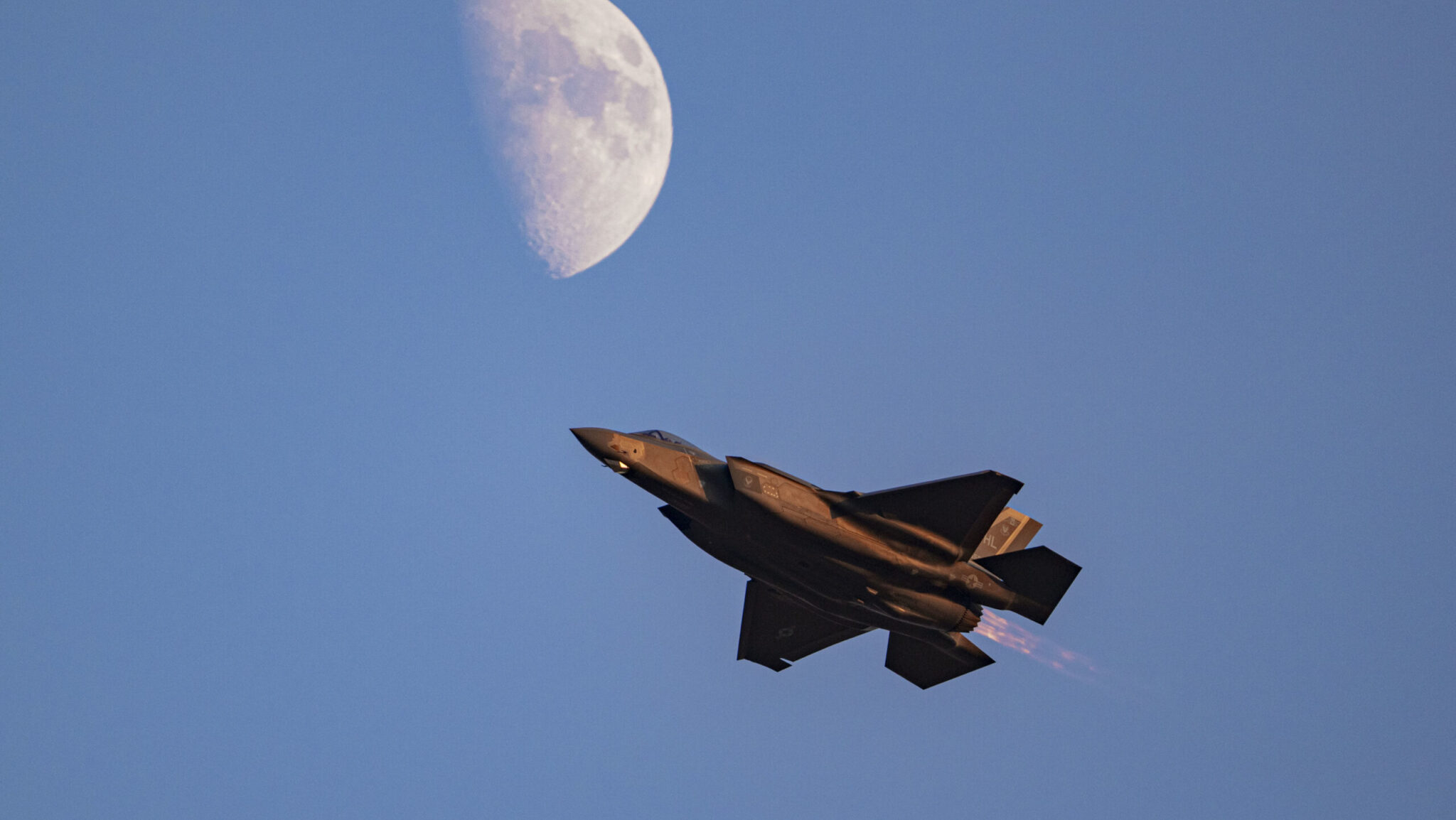
While the White House announcement did not provide specific details, Saab remarked that the designation could significantly impact discussions surrounding the F-35 Joint Strike Fighter program. “The conversation about the acquisition of the F-35 platform just got a boost,” he stated.
The UAE, like many other Gulf nations, has long expressed interest in acquiring the American fifth-generation fighter, having previously sought a deal for dozens of jets in addition to MQ-9 Reaper drones, totaling more than $20 billion. However, this procurement was complicated by U.S. concerns over the UAE’s use of Chinese wireless technology. In October 2023, a State Department official mentioned that a „robust dialogue” was ongoing and that the U.S. „remained committed” to the sales, emphasizing the importance of ensuring a mutual understanding regarding Emirati obligations and actions throughout the procurement process.
Echoing Saab’s sentiments, Kristian Alexander, a senior fellow at the Rabdan Security & Defence Institute in the UAE, noted that the UAE is now in a more advantageous position to acquire F-35 fighters and other defense systems. „As a Major Defense Partner, the UAE could potentially gain access to advanced U.S. defense platforms,” he stated. He also mentioned that the UAE might find it easier to obtain missile defense systems like the Terminal High Altitude Area Defense (THAAD) or strengthen the Patriot missile defense system to enhance regional security.
Furthermore, Alexander pointed out that military cooperation could extend into cybersecurity and artificial intelligence, leveraging U.S. capabilities to support the UAE’s initiatives in these sectors. The White House also indicated plans to promote cooperation in AI and related technologies.
This deepening relationship occurs amid heightened tensions in the Middle East, particularly with aggressive Israeli operations in Gaza and Lebanon, which pose risks of broader regional conflict. The UAE has experienced a series of drone attacks in previous years, attributed to Houthi rebels from Yemen.
“The ongoing conflicts in the Middle East, especially in Gaza and Sudan, necessitate enhanced collaboration for humanitarian aid and conflict resolution,” Alexander noted. He also expressed uncertainty regarding whether this new designation would distance the UAE from Beijing, suggesting that non-defense cooperation with China and Russia would likely persist.
Overall, he concluded, “The UAE has pursued a strategy of maintaining diverse alliances to safeguard its national security and economic interests. Even with improved defense cooperation with the U.S., the UAE will probably continue to engage with China and Russia to balance its international relations.”