A wave of excitement is sweeping through the Pentagon as Chief of Staff Gen. Randy George announces a dramatic acceleration for the MV-75 program. The new tilt-rotor long-range assault helicopter is poised to reach soldiers in record time, with Gen. George estimating that the aircraft will be flying in „formations” by the end of this year.
Accelerated Vision: MV-75 Poised for Rapid Deployment, Or So It Seems? The MV-75 was selected by the Army in 2022 as the service’s pick for its Future Long Range Assault Aircraft (FLRAA) program of record – an aircraft designed to fly „twice as far” and „twice as fast” as traditional assault helicopters. Originally slated for delivery in 2031 or 2032, this timeline has been drastically moved forward. „We have a new tiltrotor aircraft, and it was supposed to be delivered in 2031, 2032 and we said, ‘No, we need it, you know, very quickly,'” George stated Monday during a town hall event, video of which was published Tuesday. His assertion that „at the end of this year, we will actually have those flying out in formations” has, however, prompted clarification.
A service spokesperson later clarified that the aircraft would not become fully operational by the end of the year. Instead, the Army expects to accept an airframe for testing by late 2026 or early 2027, without offering a new target date for full fielding. Previously, last spring, General George had told lawmakers that the service was working on an acceleration plan to move the delivery timeline up to 2028, and another Army senior leader indicated a first prototype flight in fiscal year 2027. Nevertheless, Gen. George’s recent comments suggest an even faster shrinking of the overall timeline.
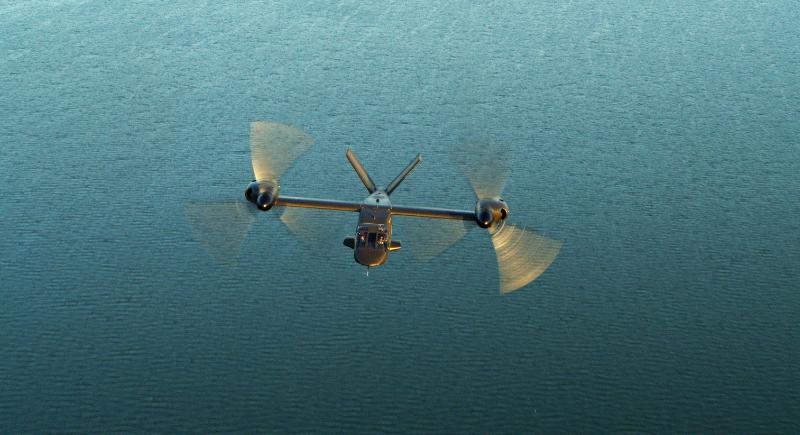
The Aerial Powerhouse: MV-75’s Game-Changing Capabilities Produced by Bell, the MV-75 represents a significant technological leap for Army aviation. With its ability to cover double the distance and achieve double the speed of current assault helicopters, the MV-75 promises to redefine mobility and force projection on the modern battlefield. Its innovative design, blending the agility of a helicopter with the speed of an airplane, makes it an indispensable asset for future operations.
The Cost of Modernization: FLRAA’s Budgetary Ripple Effects The FLRAA program, estimated to cost around $70 billion, has been catapulted to the top of the service’s aviation priorities through the Army’s Transformation Initiative. This strategic decision comes with a considerable price tag, however, involving the redirection of funds from other vital programs.
Among the programs affected are the halting of General Atomics’ Gray Eagle drone buys, the shelving of AH-64D Apaches, and the cessation of the Future Tactical Uncrewed Aircraft System competition. The Army is also reportedly considering ending General Electric’s development of the Improved Turbine Engine Program (ITEP) and potentially reducing the quantity of HADES aircraft, all to fund the ambitious FLRAA program. This massive reallocation underscores the strategic importance placed on the MV-75 but raises questions about the compromises being made across other defense sectors.