New Strategy Incorporates Battlefield Insights
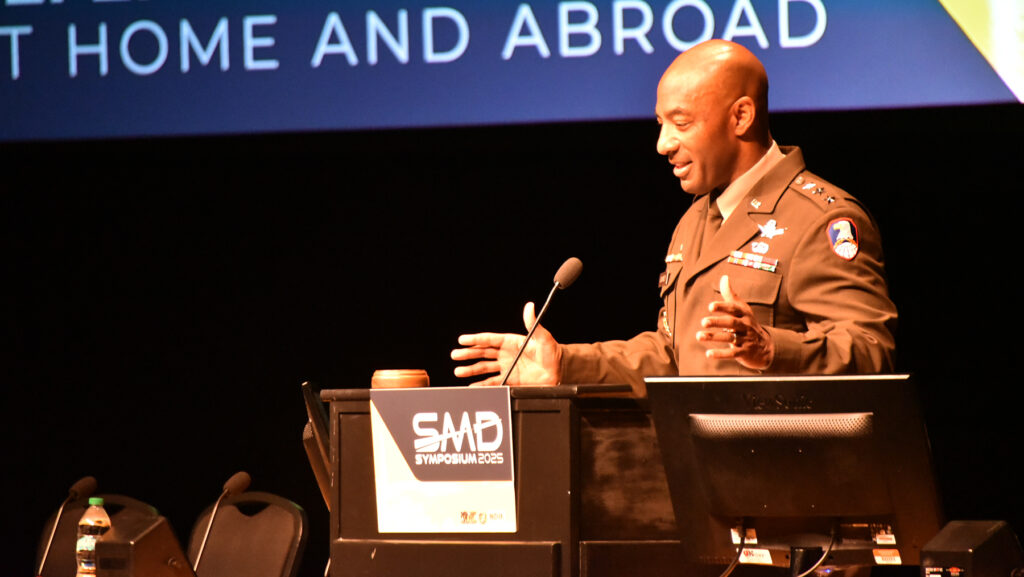
The US Army is set to release its Air and Missile Defense (AMD) Strategy 2040 within the next three months, drawing on lessons learned from conflicts in Ukraine and the Middle East. These insights, combined with a renewed emphasis on homeland defense, will shape the future of Army AMD capabilities, according to Lt. Gen. Sean Gainey, head of Army Space and Missile Defense Command.
Complexity, Mass, and the Hunt for AMD Assets
Gainey emphasized the importance of dissecting the complexities observed in recent conflicts, particularly the massing of threats and the deliberate targeting of AMD assets. These lessons are being integrated into the Army’s AMD modernization efforts to enhance survivability and effectiveness.
Force Structure Expansion and Homeland Defense Shift
Since President Trump retook the White House in January, the AMD strategy has experienced a policy shift to focusing attention on homeland defense under the Golden Dome umbrella. The new strategy also includes a planned 30 percent increase in AMD force structure over the next eight years. This expansion encompasses three additional Patriot battalions, five Indirect Fire Protection Capability (IFPC) battalions, and seven counter-unmanned aerial system (C-UAS) batteries.
Evolving Threats and Integrated Battle Command System
The AMD Strategy 2040 addresses the increasing complexity of threats, including the simultaneous launch of drones and various types of missiles designed to overwhelm defenses. The Integrated Battle Command System (IBCS) is being adapted to disaggregate formations and enhance survivability in response to these evolving threats.
Group 3 Drones as Cruise Missile Analogues
Gainey highlighted that Group 3 drones and above, weighing over 55 pounds, now pose a similar challenge to cruise missiles and are being integrated into the integrated air and missile defense portfolio.
IBCS Integration of C-UAS Capabilities
The Army is integrating counter-drone capabilities into the IBCS to provide operators with a wider range of intercept options. This allows for the use of lower-cost interceptors, such as the Coyote, against one-way attack drones, rather than relying solely on higher-end Patriot interceptors.