The U.S. Air Force has awarded contracts to five vendors for the autonomy software intended to control future drone wingmen, though specific details remain classified due to the sensitive nature of the technology, officials disclosed today.
The selected vendors for the first Collaborative Combat Aircraft (CCA) autonomy contracts are not publicly identified but include a blend of traditional and non-traditional defense companies, according to Air Force representatives during a roundtable discussion at the Lifecycle Industry Days conference.
Moving forward, these vendors will face a competitive environment similar to the current landscape of drone manufacturers vying to create the CCA air vehicle. They will be required to meet specific performance criteria and could be eliminated from contention as the competition progresses, stated Air Force Brig. Gen. Jason Voorheis, program executive officer for Fighters and Advanced Aircraft. “There will be a down-select process based on knowledge gained over time in relation to the performance of those autonomy vendors,” he said. “We will narrow the number of vendors down to those who will create an autonomy implementation for CCA increment 1.”
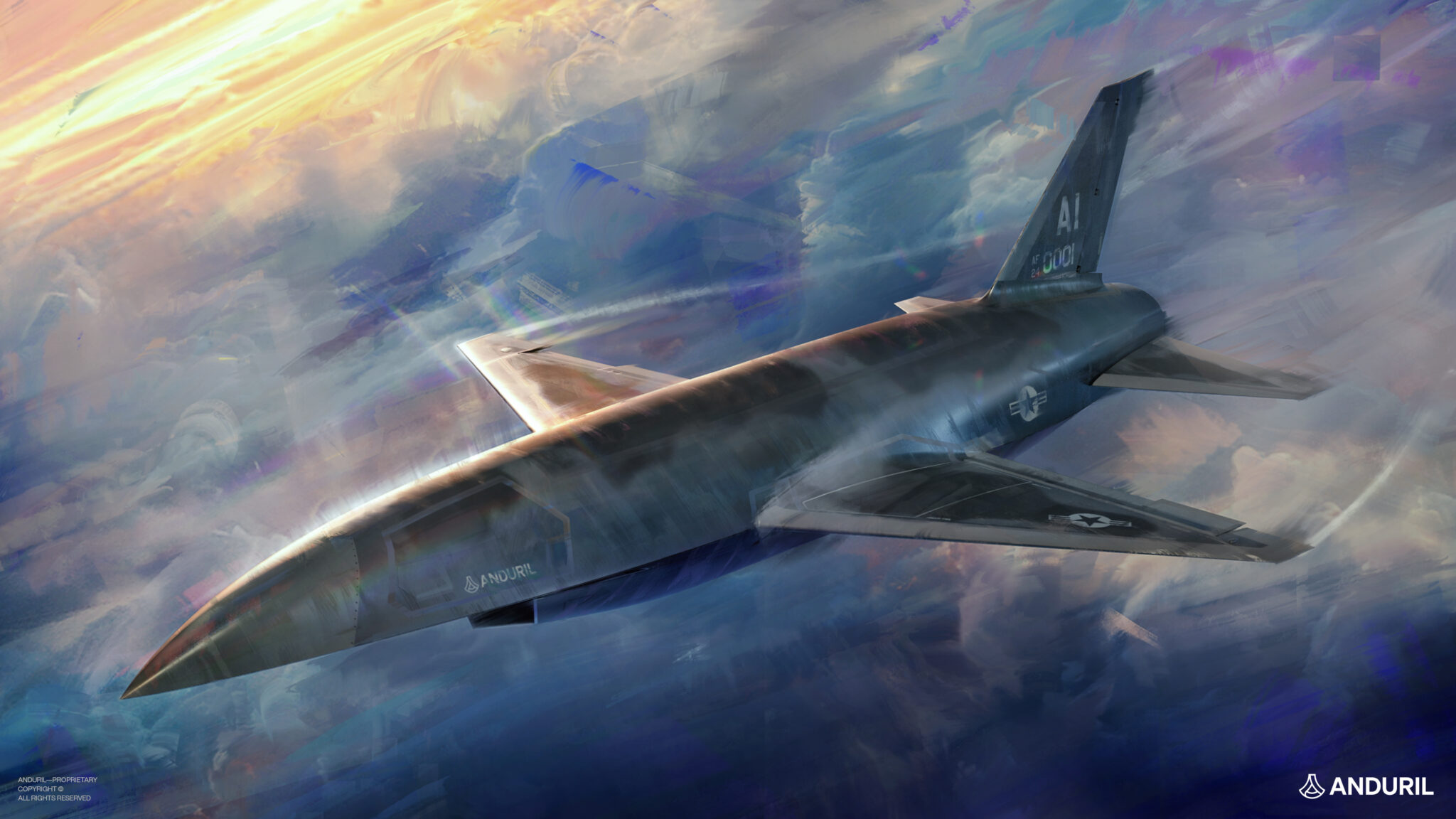
Earlier this year, General Atomics and Anduril were awarded the first contracts for CCA air vehicles—referred to as increment 1—and are currently developing prototypes ahead of a full-rate production decision slated for 2026.
“We’ve also established specific touchpoints where the autonomy and aircraft models are exchanged between the autonomy vendors and their respective vehicle manufacturers,” noted Col. Timothy Helfrich, Senior Materiel Leader for the Advanced Aircraft Division. “Additionally, the Air Force has an independent evaluation process to ensure that both systems are functioning effectively together.”
Voorheis added that the autonomy work will “merge” with the drone prototypes for flight tests prior to the production decision.
While the Air Force did not disclose the names of the vendors involved or specifics regarding the timeline for the autonomy contract, there was a reluctance to discuss the contract’s value as well.
“As you consider mission autonomy as the brain of your autonomous vehicle, it’s crucial to implement multiple protections around it, which is why the classification posture varies,” Helfrich explained.
Though the Air Force remains tight-lipped about which companies are developing the CCA autonomy module, insights can be drawn from DARPA’s Air Combat Evolution program and the modified F-16 known as the X-62A VISTA. Air Force Secretary Frank Kendall flew in the VISTA aircraft this past May, demonstrating how artificial intelligence could autonomously maneuver an aircraft during combat scenarios using software developed by EpiSci, Shield AI, and Physics AI.
While General Atomics and Anduril have secured the initial CCA drone prototyping contracts, a full-scale production contract is not guaranteed.
Voorheis emphasized that either vendor could be dropped if they fail to meet required performance standards, with companies that did not receive increment 1 contracts having the opportunity to re-enter the competition for a production award.
However, he also noted that it is “equally likely that we will carry both of those vendors” through to production, although contract awards may not be evenly divided among them.
“The extent to which those vendors meet performance requirements will guide our decisions within our operational constraints,” he explained. “There’s considerable flexibility in the contract structure to adjust when awards are made, especially if one vendor is more advanced than the other in terms of schedule and production quantities.”
The Air Force is also preparing for the second increment of the CCA program, having recently held an industry day to outline its current thinking regarding timelines, desired capabilities, and potential trade-offs.
“The Air Force is working internally over the next several months to refine the key attributes—essentially, requirements—that will be critical for increment two,” Helfrich said. “At this point, we can’t disclose what those attributes are as they are still under development and of a classified nature.”
The Air Force plans to award a contract for the concept refinement phase of increment two, which is expected to take place in fiscal 2025. This phase may involve collaborating with international partners to help shape the drones’ requirements or even establishing co-production agreements, according to Voorheis.
“We anticipate that by this fall, we’ll have a clearer understanding of the genuine interest from each of our partners and solidify who will participate with us,” he said. “You can definitely expect our closest allies to be in that mix.”