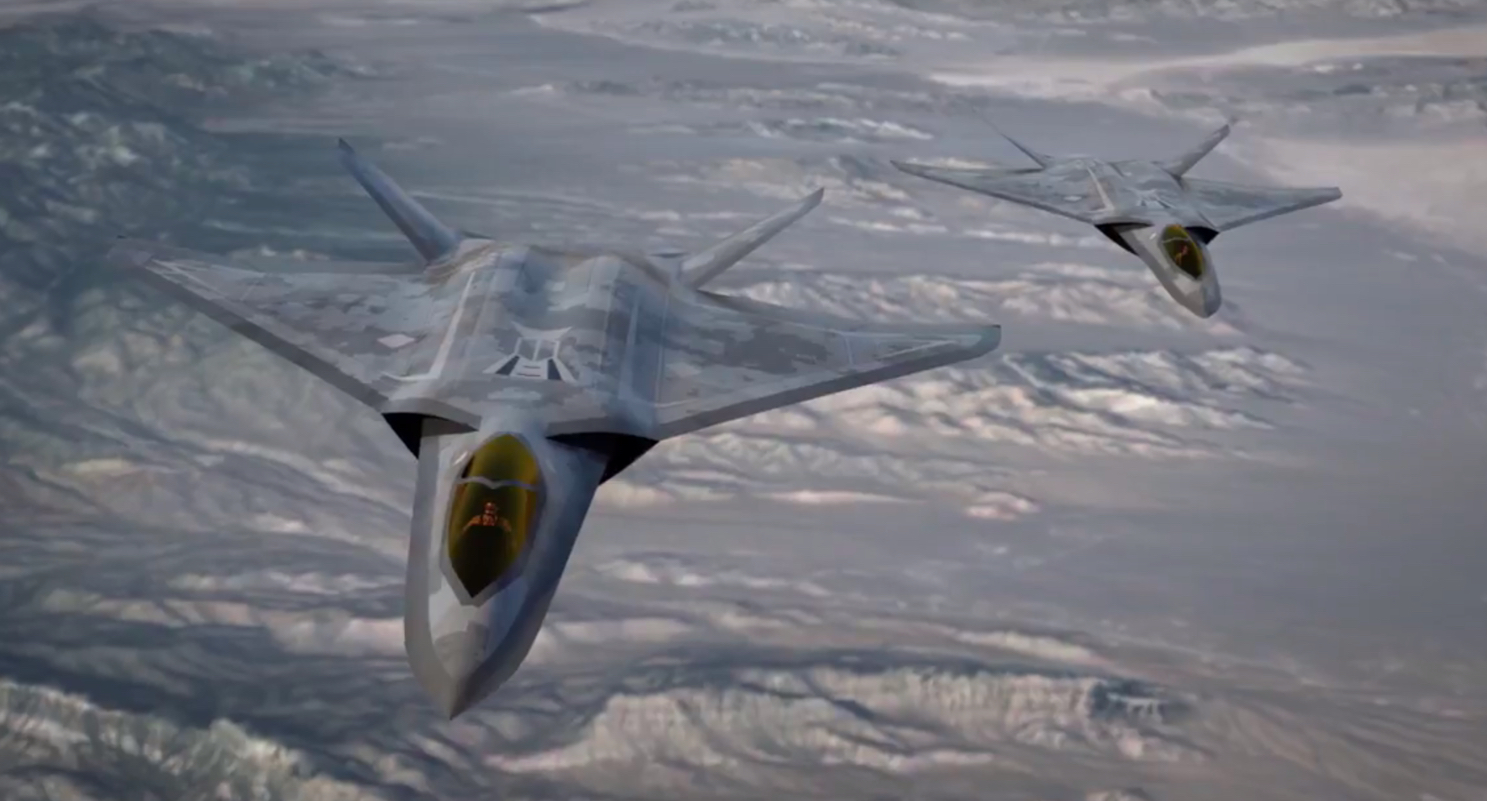
Uncertainty Surrounds NGAD Development
After years of development, the US Air Force unveiled its plans for the Next Generation Air Dominance (NGAD) fighter in May 2023, announcing that a contractor would be selected to build the platform in 2024. However, soon after, questions arose regarding whether the Air Force would proceed with the project at all, as budget constraints began to weigh heavily on the service.
Budget Pressures and Strategic Considerations
The trouble started this summer when concerns about NGAD’s future came to light amidst tightening budgets due to high-profile cost overruns in other programs, such as the Sentinel ballistic missile system and the expensive B-21 Raider project. Air Force Chief of Staff Gen. David Allvin expressed uncertainty about the program, and Air Force Secretary Frank Kendall confirmed that the NGAD program was on pause, indicating that the course of action would ultimately be determined by the incoming Trump administration.
Evolving Military Capabilities
Amidst competing priorities, Kendall has also pointed out that the growing threat from China — particularly the advanced capabilities of the People’s Liberation Army (PLA) — necessitates a reassessment of the Air Force’s needs. He has highlighted the risk posed by longer-range air defenses that the PLA possesses, questioning whether a new manned fighter is the optimal path to counter this threat.
As the capabilities of the Air Force evolve, incorporating technologies such as space-based intelligence, surveillance, and reconnaissance (ISR) and drone wingmen known as Collaborative Combat Aircraft (CCA), reliance on the integration of these systems is becoming crucial. Kendall noted that any future NGAD fighter must work within an architecture that includes space support and advanced weapons.
Geopolitical and Operational Challenges
Geographically, the potential for conflict with the PLA, particularly in the Taiwan Strait, creates significant challenges. Chinese forces would maintain a substantial home field advantage, and their expanding missile arsenal poses a threat to American installations in the region. Kendall has previously noted vulnerabilities in infrastructure designed to support high-performance aircraft like the F-22, such as runway length.
Industrial Base Implications
The uncertainties surrounding NGAD also have significant implications for the defense industrial base. Boeing and Lockheed Martin are known to be competitors for the NGAD contract. A successful bid would prove vital for Boeing, which has invested heavily in next-gen manufacturing capabilities. For Lockheed Martin, it would build on its success in the stealth fighter market with the F-22 and F-35.
Engine manufacturers GE Aerospace and Pratt & Whitney are also in contention to develop the NGAD fighter’s engine. The Next Generation Adaptive Propulsion program, which is positioned as the only remaining avenue to advance innovative powerplant technologies, represents a critical opportunity for them.
The Navy’s Competitive Edge
Interestingly, the Air Force’s hesitation on the NGAD could allow the Navy to forge ahead with its own next-gen fighter. While the Air Force navigates its sixth-gen design challenges, a Navy official previously shared that plans remain on track for an engineering and manufacturing development contract to be awarded by the end of fiscal 2025.
Conclusion: Looking Ahead
Despite the challenges, Kendall remains optimistic about the future of the NGAD program, as internal analyses support the development of a manned platform. However, the upcoming administration, co-led by Elon Musk and Vivek Ramaswamy, has raised questions regarding current fighter procurement strategies. While the fate of the NGAD remains uncertain, it appears that manned fighter jets may continue to play a pivotal role in the US military strategy for the foreseeable future, defying predictions of their obsolescence over the years.