Challenges in Stealth Bomber Development
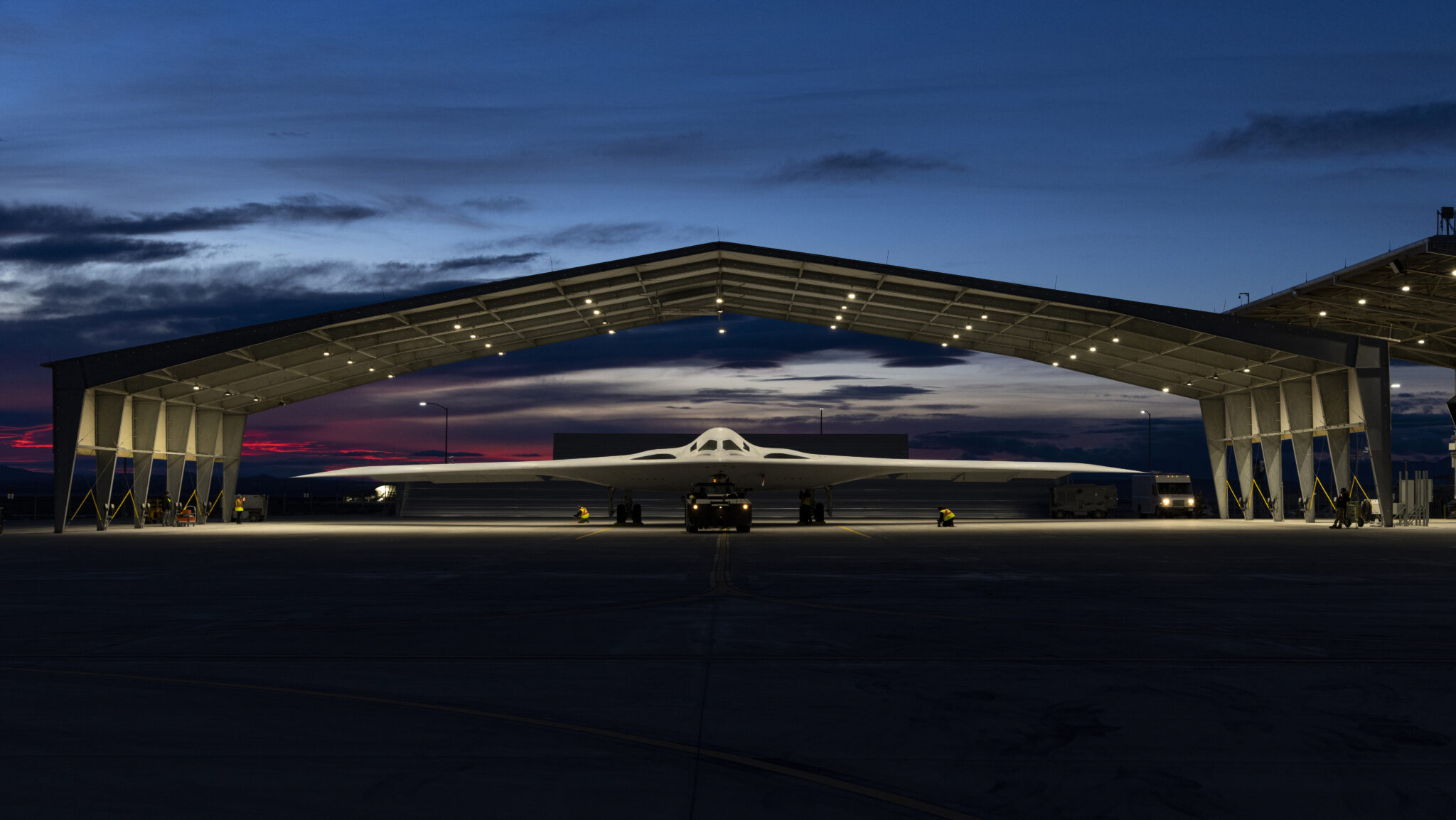
Northrop Grumman announced a $477 million loss related to the B-21 Raider program, with $397 million post-tax attributed to increased manufacturing costs. The company linked the loss to a change in its manufacturing process aimed at enhancing the production rate of the new stealth bomber for the U.S. Air Force.
During a recent earnings call, Northrop CEO Kathy Warden explained that the modifications would allow for a higher production rate, addressing the need for increased quantities in full-rate production. This change is expected to facilitate larger builds than initially planned, reflecting a collaboration with the government to improve operational flexibility.
Cost Overruns and Economic Pressures
The loss also stemmed from underestimations in the manufacturing process as well as broader macroeconomic factors driving up material costs. This latest development brings total losses on the B-21 program to over $2 billion, following an earlier pre-tax charge of $1.56 billion announced in January 2024 due to inflation and workforce disruptions.
Northrop Grumman is bound by contractual obligations to cover costs above a certain threshold on low-rate initial production (LRIP) aircraft under a fixed-price contract signed in 2015. Although the Pentagon previously provided $60 million in inflation relief for the program, the inability to predict costs accurately has raised concerns.
Financial Impact and Future Outlook
The significant B-21 charge contributed to a $498 million decrease in the company’s operating income for the first quarter, with net earnings dropping by $463 million, or 49%. Consequently, Northrop has revised its projected earnings per share for the year down from a range of $27.85 to $28.25 to a new target of $24.95 to $25.35, alongside lowering its forecast for annual segment operating income by approximately $400 million.
Despite these challenges, Northrop maintains expectations for free cash flow and sales, as Warden confirmed ongoing engagement in flight testing and other developmental activities essential for the B-21 program.
Addressing Other Concerns
In addition to its financial disclosures, Warden addressed an explosion incident at a Northrop facility in Promontory, Utah, which produces solid rocket motors for space systems. Despite this setback, she assured that the incident would not impact ongoing programs, including the Sentinel intercontinental ballistic missiles.
Regarding the Navy’s future F/A-XX fighter program, Warden indicated the Navy’s ongoing commitment but provided no new updates on contract decisions, underlining the classification status of related projects.
Analysts, including Vertical Research Partners’ Robert Stallard, noted that the B-21 charge and overall results represent a challenging quarter for Northrop, predicting potential pressure on share value as the market responds to the news.