Strategic Move Amidst Ongoing Challenges
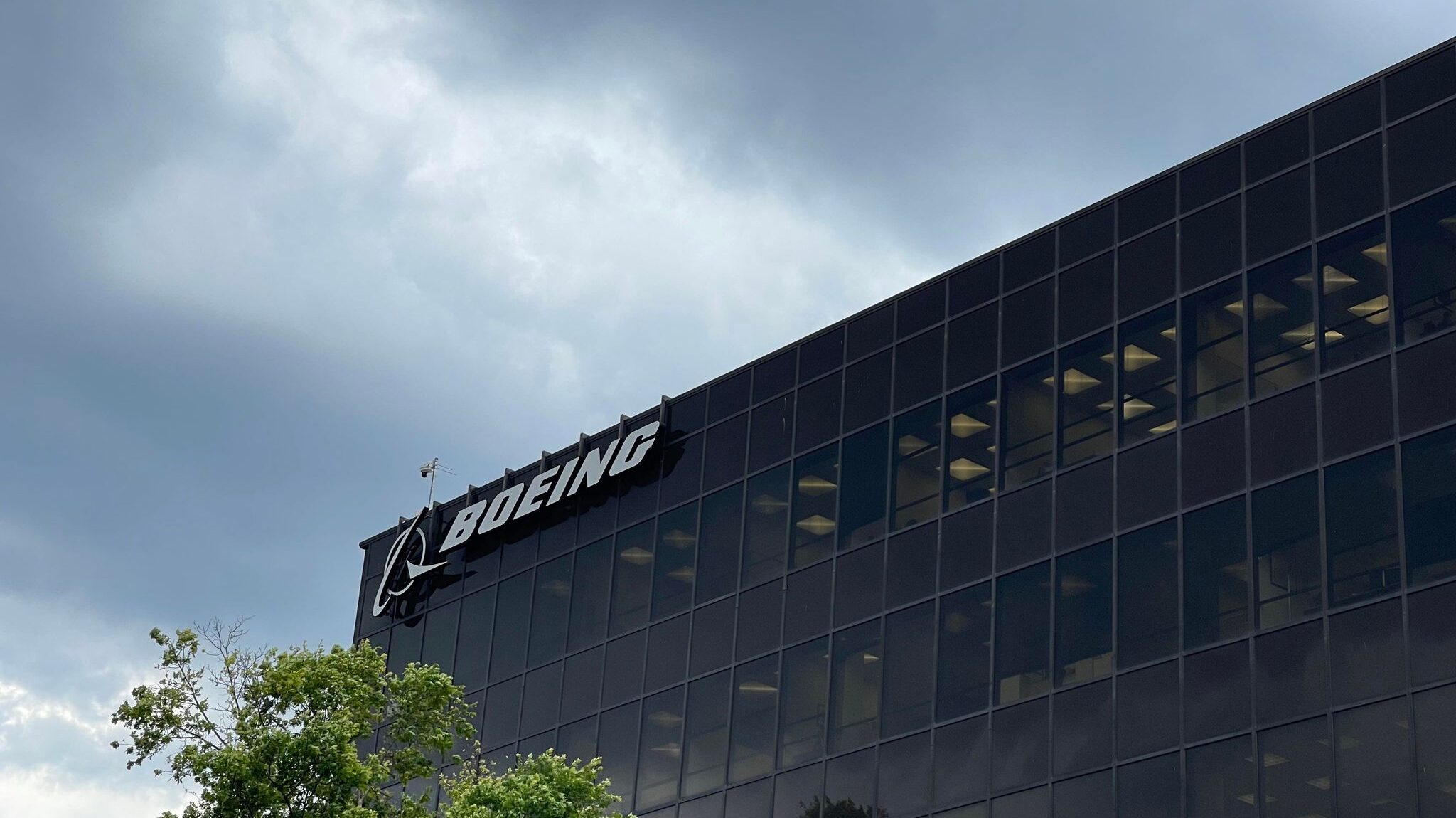
Boeing, the beleaguered aerospace giant, announced today that it plans to divest portions of its digital aviation solutions business to Thoma Bravo, a private equity firm specializing in software, in a deal valued at $10.55 billion. This all-cash transaction will transfer Boeing’s digital flight planning tools, which cater to both commercial and defense customers, including well-known brands like Jeppesen, ForeFlight, AerData, and OzRunways.
As part of the agreement, Boeing will retain its core digital capabilities that leverage aircraft and fleet-specific data for providing maintenance, diagnostics, and repair services to its customers, as stated in the press release.
Refocusing on Core Operations
The move comes in the wake of significant pressure on Boeing following a mid-air incident involving its popular Max commercial jetliners last year. This crisis led to the resignation of CEO Kelly Ortberg. Since assuming leadership in August, Ortberg has implemented a strategy to streamline operations by selling off non-core business elements to generate crucial cash flow.
“This transaction is an important component of our strategy to focus on core businesses, supplement the balance sheet, and prioritize the investment grade credit rating,” Ortberg remarked regarding the Thoma Bravo deal, which is anticipated to close by the end of 2025, pending regulatory approvals.
Navigating Defense Sector Challenges
While Boeing’s defense division has encountered substantial losses, largely due to fixed-price contracts with the Pentagon, Ortberg has emphasized the importance of the Defense, Space & Security sector as integral to the company’s future. However, reports suggest that Boeing may still look to divest certain defense assets, including its drone subsidiary Insitu.
The Thoma Bravo transaction arrives at a time when Boeing is grappling with new challenges. Although the company recently secured a significant contract to build a next-generation fighter for the US Air Force, it faces threats from a global trade war initiated by the Trump administration. Reports indicate that China has retaliated against US tariffs by instructing its airlines to reject deliveries of Boeing jets, adding further strain to the already troubled aerospace manufacturer.