‘Super Intelligence’ becomes the official administration lexicon
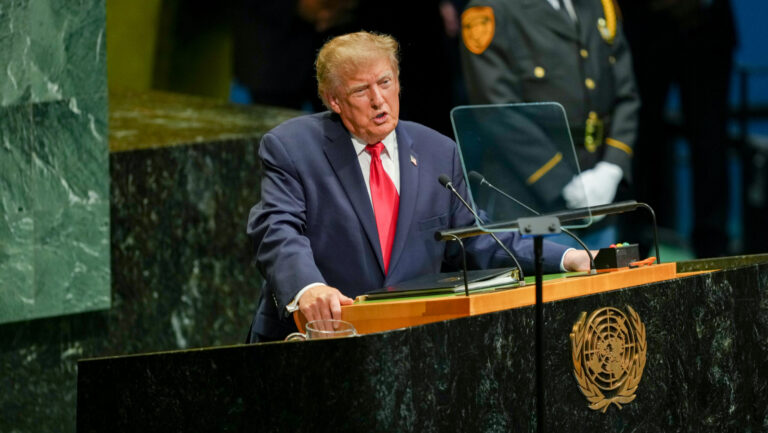
The United States government is adopting a radical change in terminology, replacing the term „artificial intelligence” with „super intelligence” (SI) in all official documents. This move, announced at the United Nations General Assembly, reflects a desire to recalibrate public perception of the technology. The core argument is that the term „artificial” suggests a false nature, an attribute deemed inappropriate for the real and amazing capabilities of the new systems. The stated goal is for this paradigm shift to be adopted globally, marking the beginning of a new era of „super intelligence.”
Semantic ambiguity: Political rebranding or technical paradigm shift?
While the new directive does not create legal complications, it generates profound semantic uncertainty among experts. In the technology community, the term „super intelligence” is reserved for describing a hypothetical entity—an artificial intelligence that surpasses the cognitive capabilities of the smartest human—a technology that does not yet exist. Through this shift, it remains unclear whether the American administration is endorsing the development of superhuman machine minds or reinterpreting, through its own lens, the current level of technological development. As of now, the White House has provided no technical or administrative details regarding how this directive will be implemented in legislation or official communication.
Balancing industry support with adversarial stances on safety mandates
This initiative is part of a broader strategy of massive support for the technology industry. Since the beginning of the second term, American authorities have overseen an unprecedented expansion in the use of these technologies, particularly within the Pentagon. This vision is accompanied by an aggressive stance toward entities attempting to impose limits on development. A telling example is the ongoing legal battle with the Anthropic lab, whose attempts to restrict military use of its systems have drawn vehement criticism. Recently, public calls for caution in AI development have been denounced, categorized as a product of „globalism,” a rhetoric previously used in other major ideological debates.