


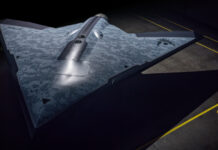

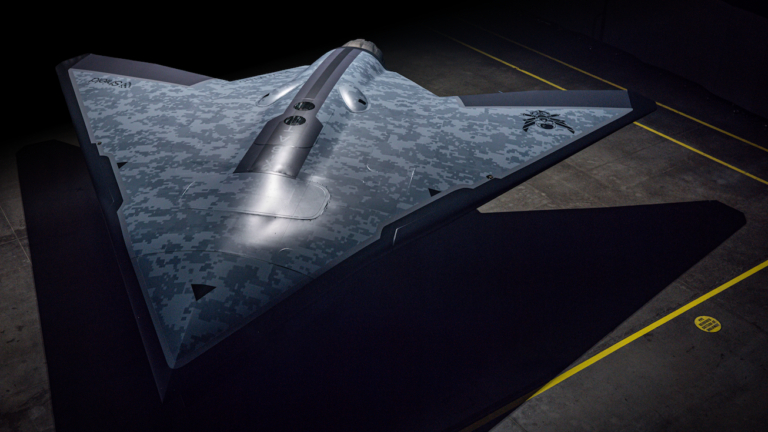
Shield AI is set to announce a „snowball of activities” in the near future, including European orders and regional partnership agreements for its X-BAT fighter jet drone, according to the company’s cofounder and chief strategy officer, Ryan Tseng. He stated that details regarding the upcoming deals and industry pacts will be publicized when they are finalized.
Strengthening the European Supply Chain
Tseng emphasized the importance of Europe as a „critical component” of the X-BAT supply chain. He noted that developing a „European sovereign” supply chain would strengthen the continent’s warfighting capabilities while also enhancing the operational effectiveness of the United States.
Andrew Hawkes, Shield AI’s director for X-BAT in Europe, confirmed that the company is involved in „several active” sales campaigns across the continent, though he declined to name specific customers.
Progress in Production and Strategic Partnerships
These developments build on recent regional milestones. In June, Polish Prime Minister Donald Tusk reportedly indicated that Shield AI plans to establish local production of the X-BAT in cooperation with Poland. Furthermore, the company recently announced a „strategic agreement” with Greece’s GEK TERNA, focusing on potential collaboration in parts production, aircraft integration, and long-term sustainment within Greece.
Shield AI also announced this week that the first full-scale X-BAT prototype has completed assembly in Frisco, Texas. The aircraft is now slated for testing at the company’s facility in Newton, Kansas. The project is backed by a $400 million joint investment from Shield AI and the US Navy.
Cost-Effectiveness
Tseng noted that the baseline cost for the autonomous drone could be brought down to $25 million, with an additional $10 million for high-end sensor configurations.
This $25 million baseline is approximately one-quarter the cost of a Eurofighter or an F-35. „From a lifecycle perspective, we think it would beat [production fighter jets] by a factor of 10,” Tseng explained. He highlighted that the aircraft requires significantly less crew to operate, resulting in „savings across the board” due to lower maintenance and operational costs compared to traditional manned fighter jets.