The Department of the Air Force (DAF) has initiated a sweeping transformation of its acquisition framework, establishing five new acquisition portfolios and appointing dedicated leaders to spearhead them. This strategic restructuring aims to dismantle a „complex and inefficient system” that has historically hampered efficiency, empowering portfolio leaders with greater autonomy to deliver warfighting capabilities to the front lines faster than ever before.
A Unified Front for Critical Missions
This bold move represents the DAF’s inaugural push to implement the wide-ranging reforms championed by Defense Secretary Pete Hegseth. Each new portfolio groups similar programs under a single leader, focusing on distinct mission sets. The newly appointed leaders, a blend of military and civilian officials, are set to revolutionize how the Air Force procures its most critical assets:
- Command, Control, Communications and Battle Management (C3BM): Maj. Gen. Luke Cropsey
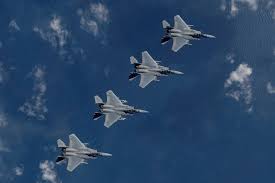
- Fighters and Advanced Aircraft: Col Timothy Helfrich
- Nuclear Command, Control and Communications (NC3): Scott Hardiman
- Propulsion: John Sneden
- Weapons: Brig. Gen. Bob Lyons
Parallel to the Air Force’s efforts, the Space Force has also established two portfolios—Space Access and Space Based Sensing and Targeting—though their leadership, dubbed portfolio acquisition executives (PAEs), is yet to be announced.
Air Force Secretary Troy Meink hailed the initiative as „a generational opportunity for the Department of the Air Force.” He emphasized its potential to „holistically reform our enterprise—from requirements, to acquisition, to test—in order to support the rapid and efficient development of our warfighting capabilities and get the operators what they need when they need it.”
From PEO to PAE: Delegating Power for Greater Impact
A cornerstone of this dramatic overhaul is the redesignation of Program Executive Officers (PEOs) as Portfolio Acquisition Executives (PAEs). This shift, while seemingly a minor nomenclature change, signifies a fundamental commitment to delegating greater authority to those directly responsible for program outcomes.
Previously, PEOs were held accountable for project success but often lacked direct control over essential functions like staffing, contracting, and airworthiness, which were fragmented across various centralized offices. This created „a complex and inefficient system for the PAE to navigate,” according to an Air Force spokesperson. The new structure seeks to „align responsibility with authority,” empowering PAEs to „cut through bureaucracy and deliver capabilities to the warfighter much faster.” The Air Force is currently employing a bottom-up approach to gather feedback and formalize the delegation of these crucial authorities.
William Bailey, performing the duties of the Air Force’s acquisition executive, underscored the significance: „By redesignating our PEOs as PAEs, we are pushing authority and accountability to the mission level… This move unlocks their expertise, cuts through bureaucracy, and ensures our acquisition enterprise is fully integrated with the warfighter’s needs at all times.”
Space Force’s Strategic Streamlining
The Space Force, which Maj. Gen. Stephen Purdy, acting assistant secretary for space acquisition and integration, noted already possesses a relatively portfolio-like acquisition structure, will also benefit from this strategic alignment. Purdy anticipates some „cleanup” to further consolidate missions under single shops but does not foresee a wholesale reorganization.
„Acquisition is now a warfighting function. We cannot be locked into decade-long development cycles,” Purdy asserted. He highlighted the Space Force’s „commercial first” approach, which aims to „harness the incredible innovation happening in the private sector, getting cutting-edge technology into the hands of our Guardians at the speed of a startup, not a bureaucracy. This is how we maintain our edge.”
A Broader Reform Agenda Takes Shape
These newly established portfolios are part of a larger, ongoing reform movement within the Department of Defense. They complement the significant role of Gen. Dale White, who serves as a Direct Reporting Portfolio Manager (DRPM) for some of the Air Force’s most crucial and complex programs, including the Sentinel and Minuteman III ICBMs, the B-21 Raider stealth bomber, the F-47 sixth-generation fighter, and the VC-25B Air Force One replacement. PAEs overseeing programs within White’s purview will report directly to him, leveraging his milestone decision authority which operates at the level of the Office of the Secretary of Defense.
The portfolios announced this week represent an „initial tranche,” serving as a pathfinder for other programs yet to transition to the PAE structure. Future PAEs will be brought online as they are ready, well ahead of Defense Secretary Hegseth’s two-year deadline for implementing these reforms. Secretary Meink concluded, „We will ensure that every one of our Portfolio Acquisition Executives, and the teams that support them, has the three things they need to succeed: the authority, the resources, and the talent to execute their mission.”