In a major strategic overhaul, Prime Minister Keir Starmer has announced that British defense spending is set to climb to nearly £80 billion annually by the end of the decade. This financial surge, a cornerstone of the newly released Defence Investment Plan (DIP), aims to solidify the United Kingdom’s position as a dominant military power while addressing long-standing resource gaps in the face of escalating global threats.
A steady climb toward the 3 percent GDP threshold
The British government has greenlit an additional £15 billion package to support the new investment plan, though the figure falls short of the £28 billion originally sought by defense officials. Nevertheless, the Prime Minister outlined an aggressive fiscal roadmap, shifting spending from 2.3% of GDP to 2.7%, with a firm trajectory to reach 3% during the next parliament. This commitment is framed as a „historic shift,” prioritizing not just military hardware but also broader security concerns, including critical infrastructure and energy resilience.
Modernizing the nuclear shield and the next generation of air power
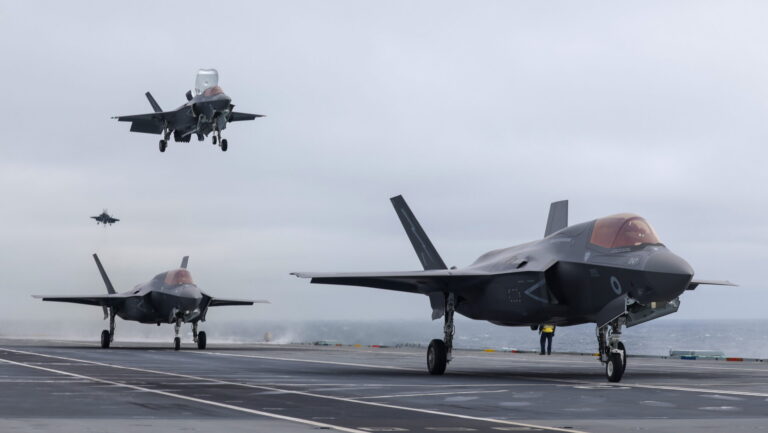
The investment plan earmarks significant resources for the UK’s high-end strategic capabilities. A massive £64 billion is set aside for the renewal of the nuclear deterrent, covering the Dreadnought-class vessels and the conventionally armed SSN-Aukus fleet. Furthermore, the UK is doubling down on its partnership with Italy and Japan through an £8.6 billion investment in the Global Combat Air Programme (GCAP) to develop sixth-generation fighters. In a notable acquisition move, the Royal Air Force is also set to receive 12 F-35A fifth-generation jets to bolster its multi-role combat capabilities.
Drone innovation and a record-breaking export facility
Central to the DIP is a £5 billion „drone transformation” initiative, which will pivot the Royal Navy toward a hybrid fleet of crewed and uncrewed systems. To further boost the nation’s industrial reach, Starmer announced the creation of a £50 billion defense export facility, backed by the largest expansion of export finance in a century. While international allies have welcomed the move as a significant step toward burden-sharing, domestic critics maintain that more funding may be required sooner to ensure the armed forces are fully prepared for the geopolitical challenges of 2030.