In a recent earnings call, Boeing’s new CEO Kelly Ortberg emphasized that the company’s defense business remains “core” to its operations, signaling that there will not be a complete divestiture of that segment as part of the broader company overhaul. Ortberg, who took the reins in August, is currently evaluating Boeing’s portfolio to streamline focus and enhance operational efficiency.
“Our core of commercial airplanes and defense systems are going to stay with the Boeing Company for the long run,” Ortberg stated, acknowledging the need to reassess peripheral operations that may hinder the company’s main objectives. He expressed a preference for doing fewer things effectively rather than spreading the company too thin, aiming to identify nonessential business lines by year’s end.
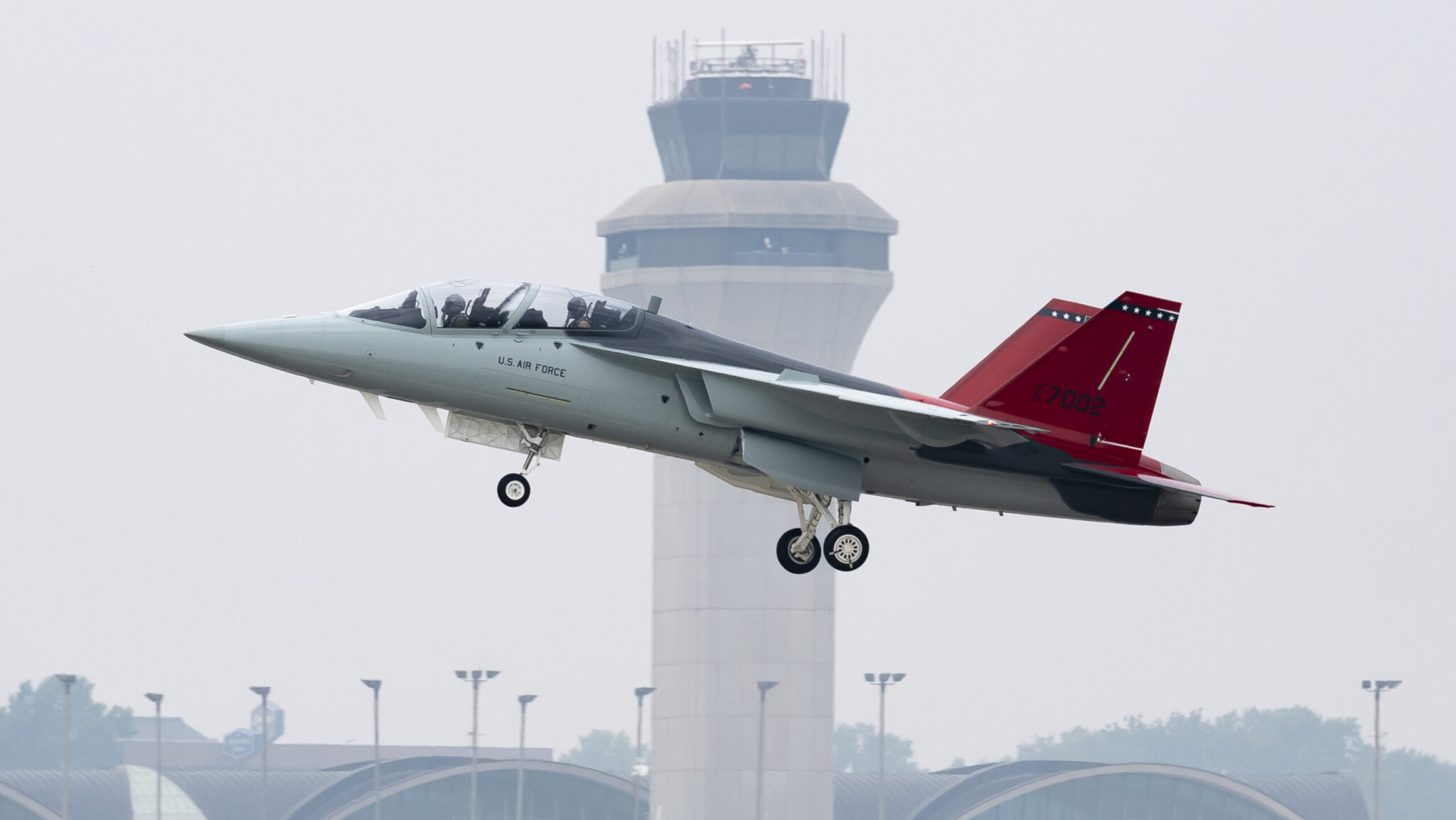
There had been market speculation about a potential sale of the Boeing Defense, Space & Security (BDS) unit, especially as Boeing works to improve its balance sheet amidst challenges in its commercial airplanes sector and ongoing losses in defense programs. The defense segment reported $2 billion in losses in the third quarter, largely attributed to fixed-price contracts for programs like the KC-46 tanker and T-7 training jet.
Ortberg’s remarks came on the heels of significant changes within the company, including the departure of former defense unit leader Ted Colbert, with COO Steve Parker stepping in as interim head. Additionally, Ortberg announced layoffs of 17,000 employees to align workforce levels with financial realities and priorities. These adjustments coincide with a strike by the Seattle-area machinists union, affecting the production of key aircraft including the 737 MAX and various defense assets.
Regarding leadership replacements, Ortberg indicated that the company would first consider internal candidates for Colbert’s position. If necessary, he is open to hiring externally to infuse new skills into the team.
Boeing’s defense unit has struggled with cost overruns since the COVID-19 pandemic, particularly with fixed-price contracts, where the company bears all costs above agreed-upon levels. The ongoing inflation and rising material costs have exacerbated these challenges. Ortberg acknowledged that there’s no “magic bullet” for these issues, but stressed the need for improved discipline and collaboration with customers to prevent program risks from escalating.
“I want to be the leader in the aerospace and defense market,” Ortberg asserted, highlighting his goal for Boeing to set the standard in product delivery and have customers act as advocates for the brand. To achieve this, he emphasized the importance of understanding program risks and enhancing communication between defense unit leaders, engineering teams, and the manufacturing workforce.