British Prime Minister Keir Starmer has unveiled an ambitious vision for the future of national security, announcing that the United Kingdom’s defense spending will reach £80 billion annually by 2029. The announcement, made ahead of the official launch of the Defence Investment Plan (DIP), marks a historic shift in London’s security policy, aimed at preparing the armed forces for the geopolitical challenges of this decade.
The race for billions: How London plans to reach the 3% GDP defense threshold
The new strategy envisions a steady budget increase from 2.3% of GDP in 2024 to 2.7%, with the clear goal of reaching 3% in the next parliament. Keir Starmer emphasized that wider security—including defense, energy security, and critical infrastructure—will benefit from a 5% GDP commitment, with the DIP already covering 4.2% of this objective.
However, the path to these record figures has not been without internal tension. The government approved an additional £15 billion package to support the DIP, a significant sum that nevertheless falls short of the £28 billion initially requested by the Ministry of Defence. These budgetary disagreements have already led to the resignation of former Defense Secretary John Healey, who warned that the allocated resources might be insufficient for the real needs of the armed forces.
Drones, sixth-generation jets, and nuclear deterrence: The pillars of the new investment plan
The Defence Investment Plan, supported by a total funding of £298 billion over the next four years, redefines Britain’s technological priorities:
- Digital transformation and drones: £5 billion will be directed toward drone integration, marking a shift from large surface ships toward a „hybrid” fleet.
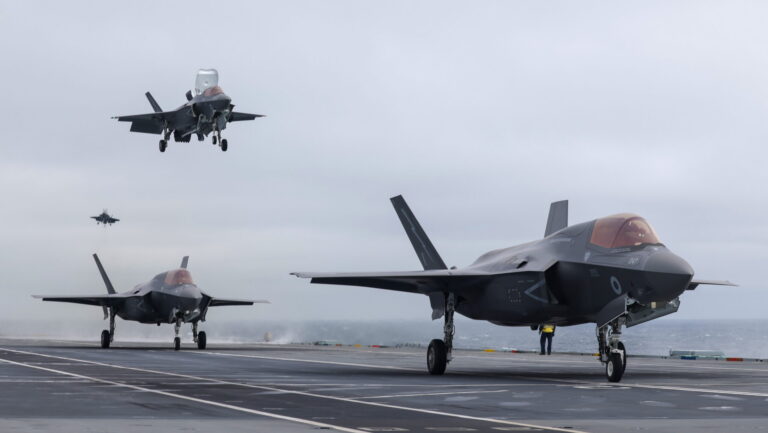
- Air forces of the future: The government is allocating £8.6 billion for the Global Combat Air Programme (GCAP), developing sixth-generation jets in partnership with Italy and Japan. Additionally, the UK will acquire 12 Lockheed Martin-produced F-35A jets.
- Nuclear arsenal: A massive £64 billion investment is destined for the renewal of the nuclear deterrent, covering Dreadnought-class submarines and SSN-Aukus vessels.
A barrier against aggression: Preparing for a potential conflict by 2030
When asked if this plan would be sufficient to deter Russian aggression, Keir Starmer remained optimistic, emphasizing that it is not just about the amount of money, but about combat capabilities adapted from lessons learned in recent conflicts in Ukraine and Iran. To support the domestic industry, a £50 billion defense export facility will also be established.
Nevertheless, critics point out that the pace of change should be faster. Some experts who contributed to the Strategic Defence Review warn that while the plan contains transformative elements, even more funds are needed, allocated sooner, to guarantee that Britain can face a direct confrontation with Moscow by the end of this decade.