In a move that could signal a historic shift in its defense policy, Canada is exploring the possibility of joining one of the world’s most ambitious military projects, targeting sixth-generation technologies in collaboration with Japanese and European allies.
A new strategic alliance under discussion: The dialogue between David McGuinty and Shinjiro Koizumi in Tokyo
Canada’s defense minister, David McGuinty, has confirmed his country’s interest in the Global Combat Air Programme (GCAP) following a recent meeting in Tokyo with his Japanese counterpart, Shinjiro Koizumi. McGuinty described the project as a „promising initiative,” marking the first time a senior Ottawa official has publicly spoken about potential involvement in this multinational consortium. While discussions remain in the information-gathering phase, Canada is considering observer status, which would provide access to essential technical data before deciding on full participation as a development partner.
Beyond traditional aircraft: What the GCAP program means for Canadian defense
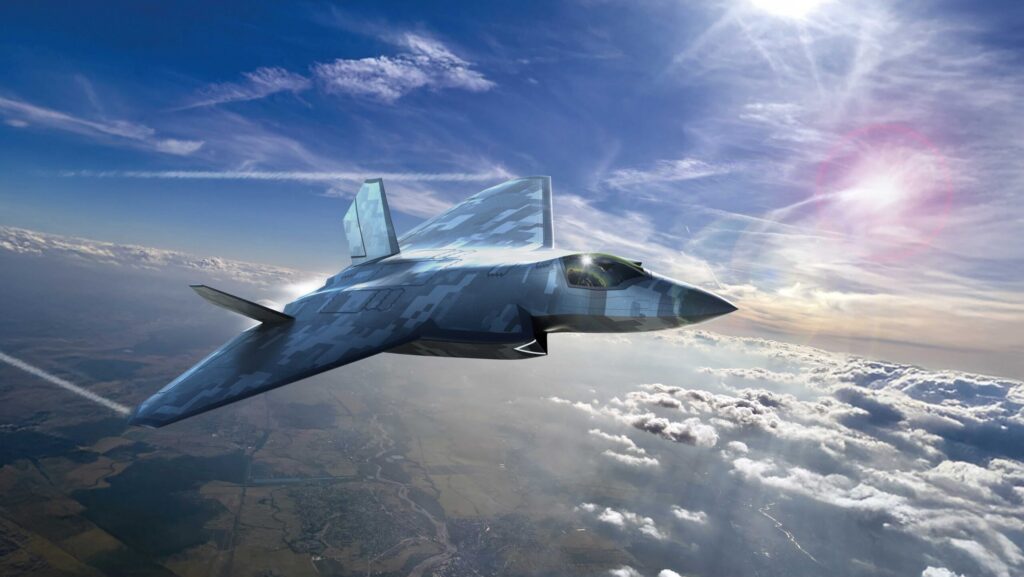
The GCAP program, backed by Italy, Japan, and the United Kingdom, is more than just a new fighter jet; it is a complex military ecosystem that includes collaborative combat drones and advanced data-sharing systems. For Canada, interest in this technology comes at a time of re-evaluating its aerial strategy. Although Ottawa had considered a split purchase between the American Lockheed Martin F-35 and the Swedish Saab Gripen, GCAP now offers a sixth-generation alternative, especially following the collapse of the rival European FCAS project previously supported by France, Germany, and Spain.
Diversifying the arsenal: Ottawa seeks alternatives outside the United States’ sphere of influence
This openness to Japanese and European technology reflects a broader trend of Canada diversifying its arms procurement sources amid diplomatic and trade tensions with its traditional partner, the United States. The interest in GCAP aligns with other recent moves by the Ministry of Defense, such as exploring the acquisition of diesel-electric submarines from South Korea or Germany. Through this strategy, Canada aims not only to modernize its armed forces with the latest technology available but also to secure greater strategic autonomy on the international stage.