A Dangerous Rhetoric, Fanning Transatlantic Fears
Former U.S. President Donald Trump’s unequivocal statements regarding his ambition to take control of Greenland recently ignited a wave of apprehension and intense debate within European defense circles. The notion, once unthinkable, of a major crisis involving the United States – NATO’s most prominent member – and the Kingdom of Denmark, suddenly became a tangible possibility. „We are going to do something on Greenland, whether they like it or not,” Trump declared, hinting at an „easy way” or, alternatively, „the hard way” to achieve this objective.
The Strategic Imperative of the Frozen Giant
The repercussions of pursuing a forceful approach are clear and have been highlighted by Danish Prime Minister Mette Frederiksen. She warned that if the United States were to militarily attack another NATO member, „everything stops – including NATO and thus the security that has been established since the end of the Second World War.” Realistically, Denmark cannot defend Greenland against a major power. For Washington, Greenland represents the northern flank of the homeland, with the priority being to prevent rival powers from gaining influence so close to the United States. However, a viable alternative exists, one that avoids both annexation and a profound NATO crisis.
The Compact of Free Association: An Alternative to Annexation
Ironically, the answer to this Arctic standoff may be found in much warmer climates: the Compacts of Free Association (COFA) agreements between Washington and the Federated States of Micronesia, the Republic of the Marshall Islands, and the Republic of Palau. These established COFA frameworks could allow the U.S. to gain the strategic benefits it seeks in Greenland without resorting to annexation or risking a rupture in the transatlantic alliance. A COFA is a legally binding agreement where a nation preserves full sovereignty while enabling strategic cooperation. COFA nations retain control over their land, laws, and institutions, while the U.S. may gain access to specific sites for defense and surveillance under terms negotiated and approved by the partner government. Furthermore, COFA citizens typically receive special rights to live, work, and study in the U.S.
Greenland’s Aspirations and the US Economic Pledge
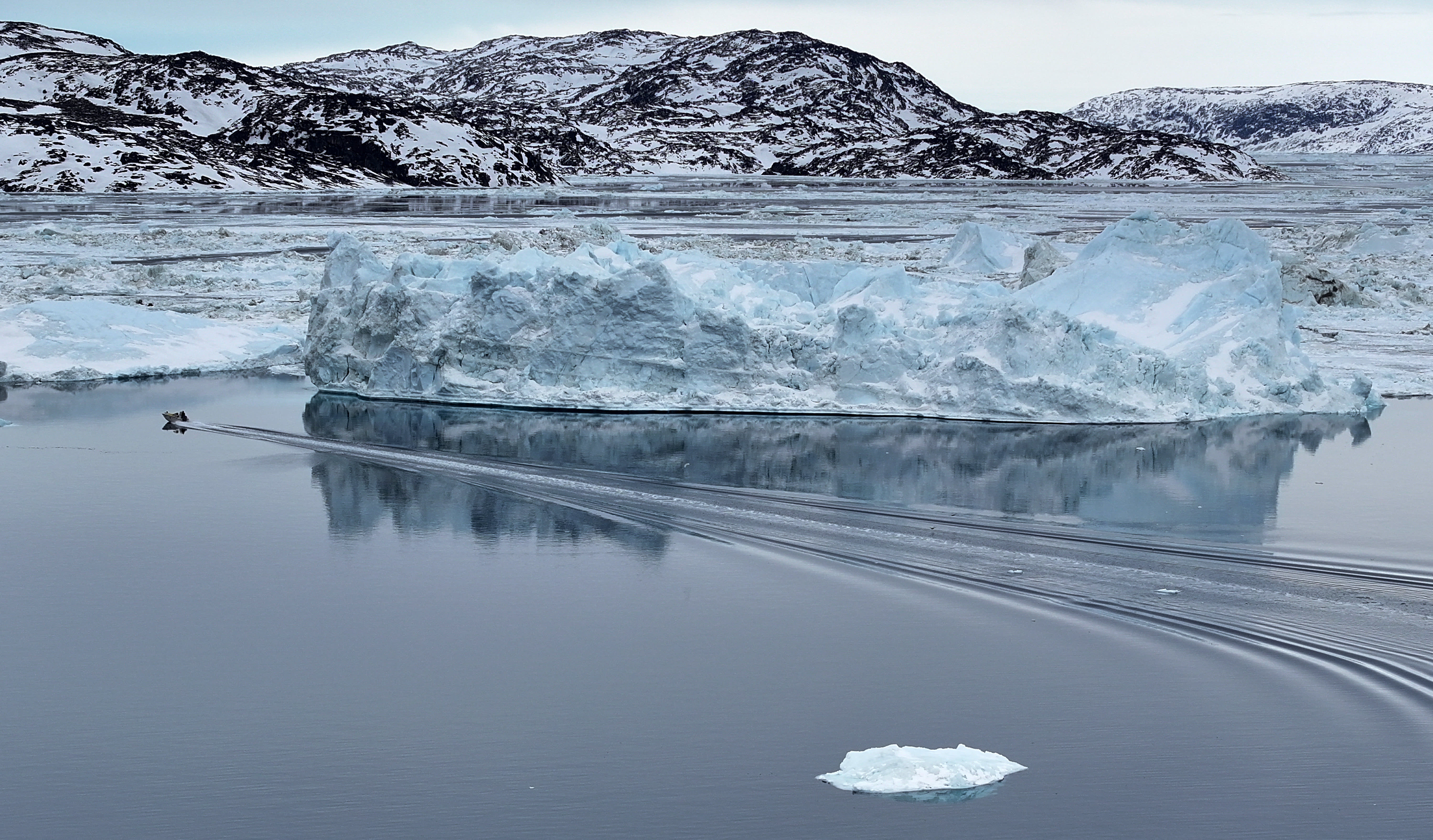
Greenland, though geographically vast, is sparsely populated, with approximately 56,000 residents. Over 80 percent of its landmass is covered by a thick ice sheet, rendering most of the territory uninhabitable. Greenland’s elected leadership, including Prime Minister Jens-Frederik Nielsen, favors a gradual path to independence. Denmark, conversely, has no desire to see Greenland move beyond its realm, as the island carries deep political and symbolic weight for Copenhagen. These opposing interests uneasily coexist with Greenland’s aspirations for greater self-determination. A COFA would affirm Greenland’s sovereignty, boost its economy, and strengthen U.S. deterrence against adversaries in the Arctic, both militarily and economically.
The Alaska Model: A $30 Billion Sovereign Wealth Fund
Central to this proposal would be a proposed $30 billion (191.2 billion kr.) Sovereign Wealth Fund, modeled on Alaska’s Permanent Fund. This fund would support Greenland’s infrastructure, education, energy, and defense. Alaska, with its vast expertise in fund management, Arctic logistics, and indigenous engagement, could serve as a strategic mentor. The deep ancestral and cultural ties between the Inuit populations of Alaska and Greenland would further support a foundation of mutual understanding. At a conservative 5 percent annual return, the fund would generate $1.5 billion annually, an amount that could replace Greenland’s current yearly block grant of approximately $667.5 million from Denmark. This approach would allow the U.S. to support Greenlandic prosperity without becoming entangled in recurring aid obligations, representing a strategic investment that is merely a fraction of the Pentagon’s defense budget.
A Durable Partnership for the Arctic Future
Compromises rarely satisfy all parties, but this course of action could avoid an intra-alliance crisis and offer Greenland a strategic path forward, one that honors national identity and strengthens democratic governance. Together with a Sovereign Wealth Fund and Alaskan mentorship, a COFA would enable Greenland to achieve sustainable economic independence while creating a durable, rules-based framework for U.S.–Greenland cooperation and the foundation for deeper collaboration over time.