Strategic Diplomacy: A Potential Return to the F-35 Fold
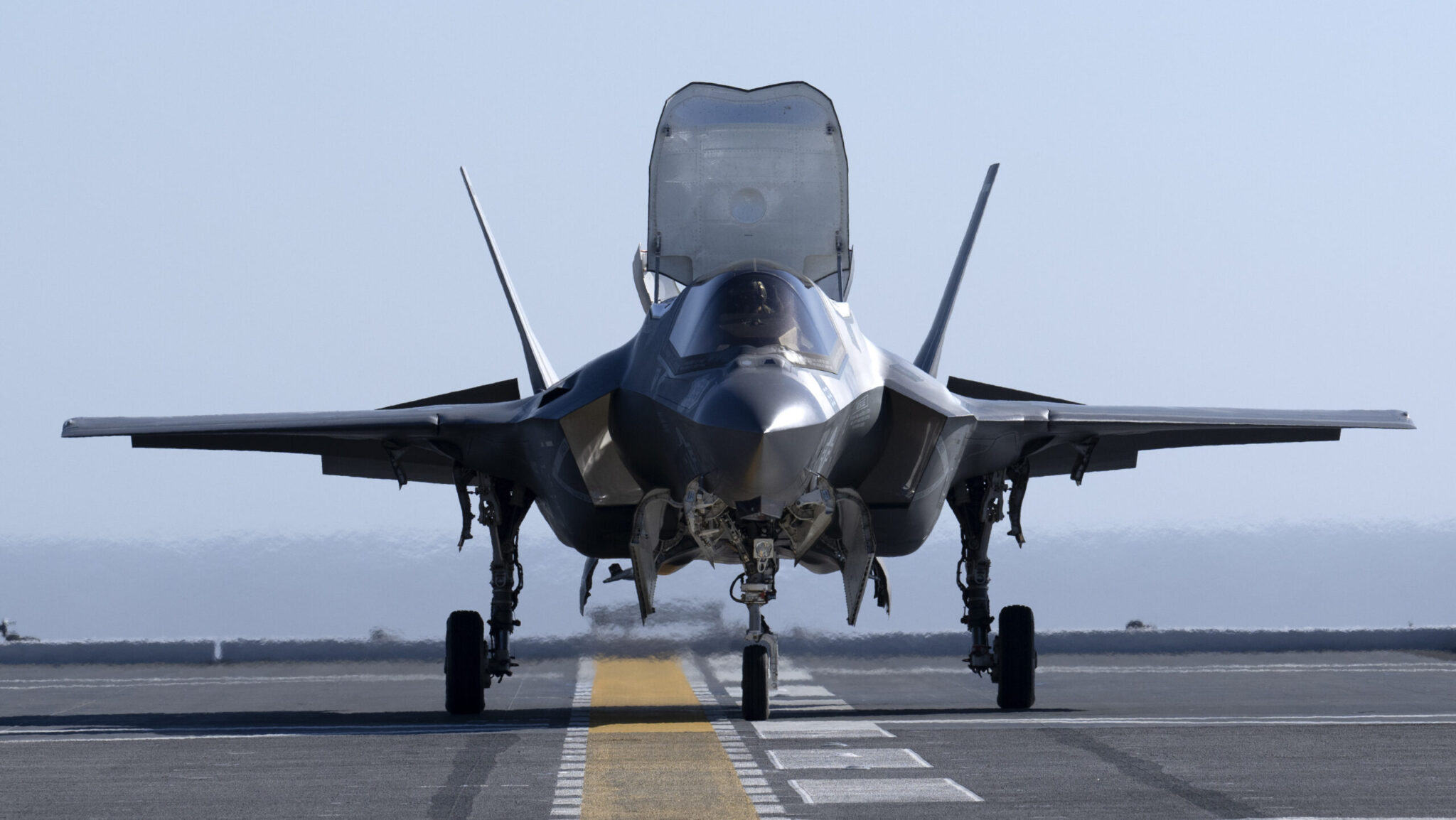
In a recent television interview, Turkish Foreign Minister Hakan Fidan expressed optimism about Turkey’s reentry into the US-led F-35 fifth-generation fighter program. With discussions ongoing, Fidan highlighted the „process” underway to facilitate Turkey’s return, referencing the rights the nation gained related to its previous participation in the program.
This surge in interest follows Turkish President Recep Tayyip Erdogan’s direct appeal to US President Donald Trump regarding the F-35, where he requested “ensure Turkiye’s reentry” into the initiative. Despite being excluded from the program six years ago due to Turkey’s purchase of Russian S-400 air defense systems, experts sense a newfound opportunity for Turkey to mend relations and potentially reintegrate into the F-35 project.
Navigating Complex Geopolitical Waters
Analysts suggest that Turkey might seize this chance to leverage what they refer to as Trump’s “2.0 moment.” Ali Bakir, a senior fellow at the Atlantic Council, noted the potential for navigating around sanctions on defense imports barred under the Countering America’s Adversaries Through Sanctions Act (CAATSA) if Trump is willing to restore ties with Turkey. However, he cautioned that opposition from foreign nations, especially Israel, and the resistance within Congress poses substantial challenges.
Serhat Süha Çubukçuoğlu of Trends Research & Advisory expressed skepticism about Turkey’s immediate return to the F-35 program, highlighting the logistical impediments involved in lifting sanctions, which require both presidential and legislative action.
The S-400 Dilemma and Sanctions
To return to the F-35 program, Turkey faces critical challenges primarily related to its S-400 acquisition and the sanctions imposed under CAATSA. The purchase of the Russian system not only led to Turkey’s exclusion from the F-35 program but also marked a significant geopolitical tension point with the US. The White House previously stated, „The F-35 cannot coexist with a Russian intelligence collection platform,” underlining the fundamental incompatibility of the two systems.
Turkey had made a $1.4 billion down payment for 100 F-35s, raising hopes of receiving six planes for which it had already paid. However, solutions to the S-400 dilemma remain complex. Suggestions include returning the system to Russia, though experts like Çubukçuoğlu note that logistical and political hurdles surround such options, including the necessity of Moscow’s approval.
The Broader Implications of Sanctions
Beyond merely regaining access to the F-35 program, lifting CAATSA sanctions is vital for Turkey’s broader defense industry ambitions. Sanctions have severely limited Turkey’s ability to procure spare parts and advanced defense technology, worth an estimated $20 billion. Bakir pointed out that removing these restrictions would not only benefit Turkey’s defense capabilities but may incentivize discussions on further acquisitions.
The Role of KAAN: Complementing the F-35 Strategy
Turkey’s ongoing development of its indigenous fifth-generation fighter, KAAN, adds another layer to the conversation regarding the F-35. While KAAN is not directly a competitor to the F-35, analysts suggest it could benefit from the experience and technology that would come from rejoining the F-35 program. Kasapoglu emphasized that access to the F-35s could provide the Turkish Air Force with cutting-edge military aviation experience, enhancing its operational capabilities while the KAAN develops.
If Turkey reaches an agreement to regain its F-35s, it could not only expedite the development of KAAN but also foster a mutually beneficial partnership with the US defense market, unlocking opportunities for cooperation and technological advancement.
Conclusion: A Path Forward?
As the geopolitical landscape shifts, Turkey’s quest to return to the F-35 program encapsulates both the complexities of international relations and defense economics. With obstacles like the S-400 and CAATSA sanctions in play, the path to reentry remains fraught with challenges. However, strategic diplomacy and potential collaboration could pave the way for an increasingly integrated defense future.