As the Royal Air Force (RAF) presses forward with its ambitious project to integrate autonomous collaborative platforms (ACP) – commonly known as loyal wingman drones – into its future force structure, leading drone manufacturers are largely holding their cards close to their chests regarding potential involvement.
RAF Eyes Modernization Through Autonomous Systems
The UK’s recently launched ACP Tranche 2 aims to gather information on the current and future ACP landscape. The Ministry of Defence (MoD) is particularly interested in „disposable” one-way attack drones, „signature managed” aircraft with reduced detectability, and broader autonomous solutions. While the MoD emphasizes that no immediate procurement decisions are planned, it seeks to refine procurement strategies and gain insights into capabilities, costs, and production timelines.
Modest Contracts, Significant Potential
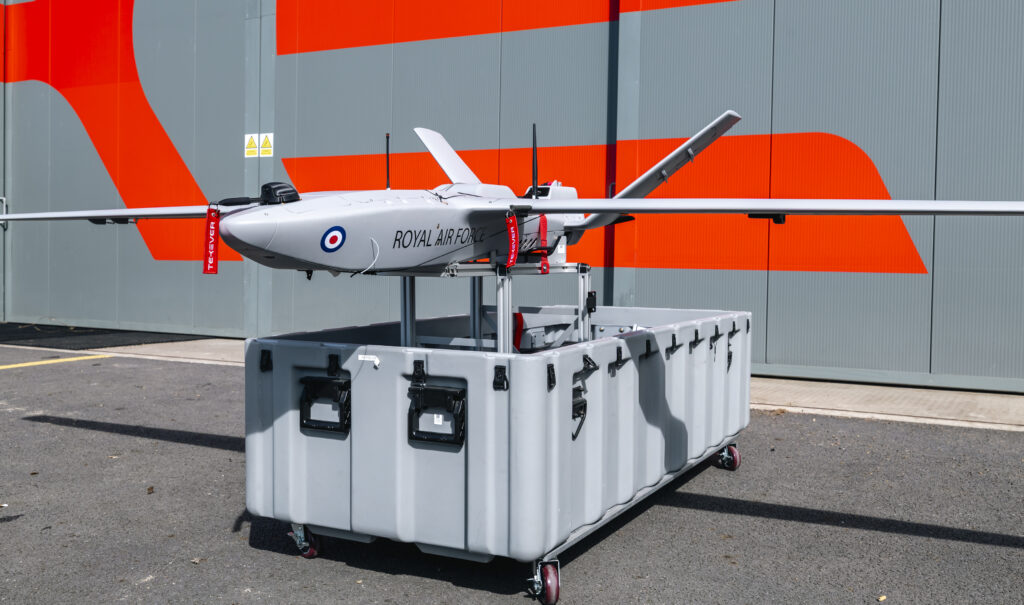
Estimated values for future tenders range from £20 million to £24 million, with contract dates slated between April 2027 and April 2029. A formal tender competition is anticipated in April 2026. Tranche 2 builds upon the UK’s initial ACP effort, Storm-shroud, which combines the Tekever 3 UAS with Leonardo UK’s BriteStorm jammer, operated by the RAF’s 216 Squadron.
Industry Response: A Mix of Enthusiasm and Reticence
Breaking Defense reached out to several drone manufacturers with existing ties to the UK or relevant loyal wingman-type products. Anduril confirmed their intent to bid, highlighting their excitement about the opportunity. BAE Systems, targeting a first flight of their ACP by early 2026, declined to comment. Leonardo stated they are „closely evaluating” the UK’s requirements. Helsing and AeroVironment did not respond to requests for comment. Spirit AeroSystems stated they could not confirm any registration of interest.
Lingering Doubts After Project Mosquito Cancellation
Notably, in 2022, the UK cancelled Spirit’s £30 million Project Mosquito loyal wingman demonstrator contract, citing a lack of „huge amount of sense” in continued investment, despite the demonstrator never being built. This cancellation may be contributing to the cautious approach from some manufacturers.