In a swift strategic maneuver, the Trump administration has triggered emergency powers to approve a massive $8.6 billion arms package for Israel, Qatar, Kuwait, and the United Arab Emirates. The move deliberately sidesteps the standard congressional review process, utilizing a rare legal loophole to expedite the transfer of advanced weaponry to the Middle East.
The Crisis Clause: National Security vs. Legislative Scrutiny
The State Department’s justification is unequivocal: the Secretary of State has determined that an emergency exists, requiring the immediate sale of defense articles and services to protect U.S. national security interests. By invoking this authority, the executive branch effectively waives the requirements for congressional approval, a move that often sparks debate over the balance of power in foreign policy. While the Defense Security Cooperation Agency (DSCA) has issued the formal notifications, experts note that total costs and quantities may fluctuate as final contracts are signed.
The Billion-Dollar Breakdown: Bolstering Regional Defenses
The approved deals cover a wide array of high-tech hardware designed for air defense and precision strikes:
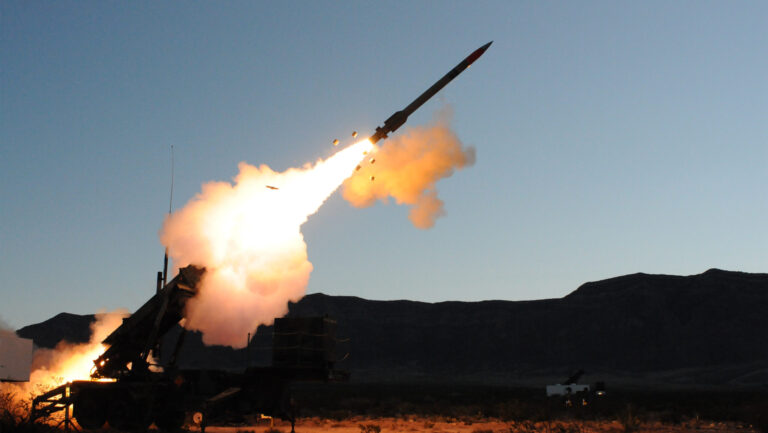
- Qatar: Leading the pack with over $5 billion in potential deals, including $4.01 billion to replenish Patriot missile batteries and radars, alongside nearly $1 billion for APKWS precision-guided rounds.
- Kuwait: Authorized for a $2.5 billion investment in the Integrated Battle Command System (IBCS) by Northrop Grumman, aimed at streamlining its military command centers.
- Israel: Approved to purchase 1,000 Advanced Precision Kill Weapon Systems (APKWS) for $992.4 million, providing a critical defense against drones and cruise missiles.
- United Arab Emirates: Cleared for a $147.6 million acquisition of guidance sections and related equipment to enhance its precision strike capabilities.
Strategic Urgency: The Shadow of Iran and Stockpile Concerns
The timing of these notifications is critical, occurring 60 days after direct military confrontations involving the U.S., Israel, and Iran. As regional tensions remain at a boiling point, lawmakers in Washington are increasingly vocal about the depletion of U.S. weapon stockpiles and the rising price tag of ongoing military operations. The administration maintains that these sales are vital for supporting major non-NATO allies who serve as pillars of political stability and economic progress in a volatile region.